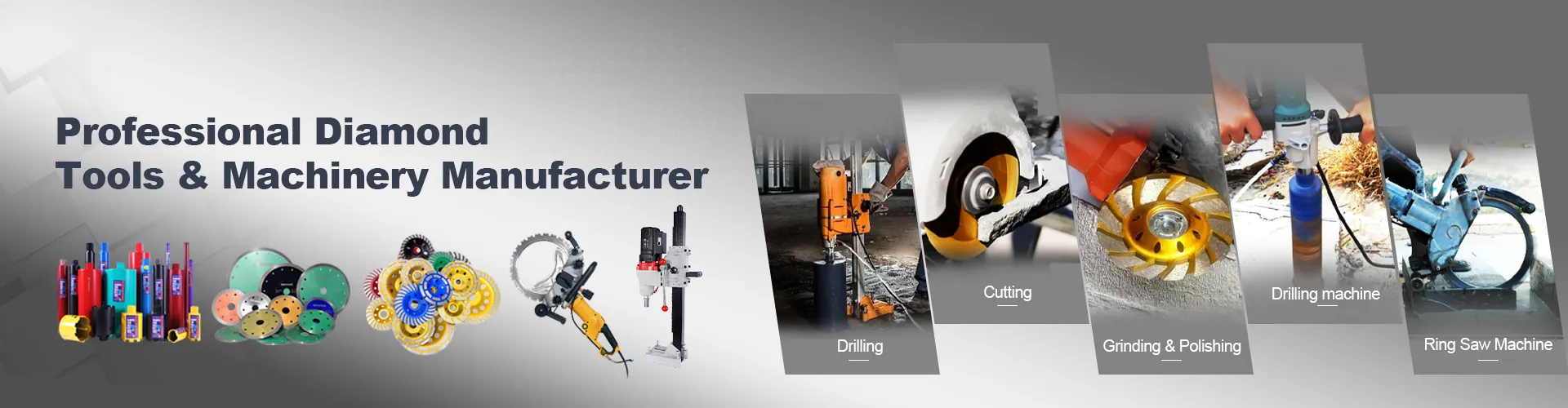
Abrasive grinding wheels are widely used for cutting, grinding, deburring, edge preparation, and general material removal in industrial environments. They play an important role in metal fabrication, construction processing, stone work, repair operations, and workshop maintenance where stable performance and application fit matter. This category covers abrasive grinding wheels and related grinding disc solutions for different working materials and operating requirements. Whether the job involves aggressive stock removal, cleaner cutting, or surface preparation before the next production step, choosing the right wheel helps improve efficiency, consistency, and operating control. SENMINE supports global customers with abrasive wheel supply for professional applications, including OEM and wholesale cooperation for buyers who need reliable sourcing and practical specification matching.
Abrasive grinding wheels are used across a wide range of industries because different jobs require different levels of cutting ability, grinding efficiency, finish quality, and service life. In metalworking, they are often selected for weld cleanup, edge refinement, cutting preparation, and general fabrication work. In stone and construction environments, suitable abrasive wheels can support trimming, surface treatment, repair preparation, and material adjustment tasks. Because wheel performance depends on the work material, machine type, and operation, product selection should always be based on actual use rather than appearance alone. SENMINE supplies abrasive grinding wheel solutions for industrial and commercial buyers who need practical sourcing support, export-oriented supply, and options for bulk orders, customized specifications, and repeat purchasing.
Abrasive grinding wheels are not all designed for the same task. Their structure, thickness, intended pressure direction, and working material all affect how they should be used in real operating conditions.
Grinding Wheels for Surface Grinding and Material Removal
Grinding wheels are mainly used for surface grinding, weld blending, deburring, edge conditioning, and general material removal. These wheels are designed to handle grinding pressure during contact with the workpiece, making them suitable for jobs where the goal is to smooth, shape, or refine rather than simply separate material. In fabrication shops and maintenance environments, they are often chosen for post-cut cleanup, weld area preparation, and surface correction where control and consistency are important. For buyers, the value of a good grinding wheel is not only in removal speed, but also in balanced performance, acceptable wear behavior, and suitability for the actual material being processed.
Cut-Off Wheels for Fast, Clean Cutting
Cut-off wheels are designed for cutting operations rather than side grinding. They are generally thinner than grinding wheels and are intended to make cleaner, narrower cuts through the target material. In industrial use, they are commonly selected for separating metal sections, trimming components, or preparing workpieces before later grinding and finishing steps. This distinction is important because a wheel built for cutting should not be treated as a general grinding wheel, and a grinding wheel should not automatically be used where fast, straight cutting is required. Clear separation between cutting use and grinding use helps buyers source more accurately and reduces confusion when comparing product options.
Wheels by Material Application
Abrasive wheel selection should always be connected to the work material. Steel, stainless steel, aluminum, stone, concrete, and masonry do not respond in the same way during cutting or grinding, so the wheel should be matched to the actual substrate and working purpose. A wheel chosen for carbon steel may not behave the same on stainless steel, and a product intended for metal removal may not be the best option for mineral-based materials. Material type can influence wear rate, finish quality, cutting feel, heat behavior, and operating efficiency. For this reason, industrial buyers usually evaluate abrasive wheels not only by size or shape, but also by whether the product is intended for the specific material family involved in the job.
The right abrasive grinding wheel should be selected by considering the work material, required operation, machine fit, and expected performance in daily use. A better match usually leads to better efficiency, more stable results, and more consistent repeat orders.
Choose by Work Material
Different materials place different demands on the wheel. Metal fabrication, stainless steel processing, aluminum work, stone treatment, and construction repair all involve different cutting or grinding behavior, so the selected wheel should match the base material as closely as possible. Using the wrong wheel can reduce working efficiency, accelerate wear, and make it harder to achieve a stable finish. For industrial buyers, this means the first selection question is not simply “Which wheel is available?” but “Which wheel is appropriate for the material and operation involved?” A material-based selection approach supports better product performance and helps reduce unnecessary sourcing mistakes.
Choose by Application
Application is just as important as material. Some jobs require clean cutting, while others require weld removal, edge shaping, deburring, surface smoothing, or preparation before polishing and finishing. A wheel that performs well in one operation may not be the right choice for another. Buyers should first define the task clearly, then select the abrasive wheel type that is designed for that working method. This approach is especially important for customers sourcing for workshops, distributors, or project teams, because the right application fit improves usability and supports better end-user satisfaction in the field.
Choose by Wheel Size and Thickness
Diameter, thickness, and arbor size all affect how the wheel performs and whether it fits the intended machine correctly. These specifications influence cutting depth, control, removal rate, stability, and the general operating feel during use. A thinner wheel may be preferred for cleaner cutting, while a thicker wheel may be more suitable for certain grinding operations where durability and contact behavior are more important. Buyers should always confirm fitment requirements before ordering, especially when sourcing for repeat procurement, multiple machine types, or export markets where consistent compatibility matters.
Choose by Abrasive Type and Bond
Abrasive composition and bond structure influence how aggressively the wheel cuts or grinds, how well it resists wear, how it responds to heat, and what kind of finish it helps produce. Two wheels may appear similar in size, but their performance can differ significantly because of the abrasive material and the way the wheel is bonded. For B2B buyers, understanding this helps explain why product matching should go beyond simple visual comparison. Practical selection based on operating demands is more valuable than choosing by name alone.
Abrasive grinding wheels are used in many industrial and project-based environments where cutting, grinding, shaping, and surface preparation are part of routine work.
Metal Fabrication and Weld Grinding
In metal fabrication, abrasive grinding wheels are commonly used for weld cleanup, surface correction, edge preparation, burr removal, and finishing work after cutting. Fabrication shops and processing lines often rely on stable grinding performance to improve workflow consistency and help prepare parts for the next production step. In these environments, buyers usually focus on application fit, removal efficiency, and repeat supply quality because daily use depends on performance that is both practical and predictable.
Stone Processing and Masonry Work
In stone and masonry-related work, suitable abrasive wheels can support trimming, adjustment, surface treatment, and general preparation tasks depending on product type and intended use. Buyers in this segment often need wheels that can handle harder materials while maintaining acceptable working control. When product selection is aligned with the application, abrasive wheel solutions can support better jobsite efficiency and more dependable operating results.
Construction Site Cutting and Surface Preparation
Construction and project-based work often involves material adjustment, edge refinement, cutting preparation, and repair-related surface treatment. In these environments, product choice is usually influenced by both performance and practicality, since users may need reliable abrasive tools that can support varied daily tasks. For sourcing teams, it is helpful to choose products based on actual site conditions, equipment fit, and the most common materials being processed.
General Industrial Maintenance
Maintenance workshops and repair operations often require abrasive wheels for routine cutting, surface correction, cleanup, and general-purpose grinding tasks. These users typically need dependable products that are easy to match to standard operating equipment and suitable for repeated purchasing. For distributors and industrial suppliers, maintenance-oriented demand also makes consistency important, because end users tend to value stable performance across repeat orders more than one-time trial results.
Before placing an order, buyers should confirm more than just the product name. Technical fit, operating expectations, packaging needs, and purchasing consistency all affect whether the product will perform well in real use and fit smoothly into the buyer’s supply process.
Diameter, Thickness, and Arbor Size
Diameter, thickness, and arbor size are among the most important specifications because they directly affect machine compatibility and working performance. These dimensions influence how the wheel fits, how it behaves during operation, and how suitable it is for the intended task. For buyers handling repeat procurement or supplying multiple users, confirming these details before ordering helps reduce mismatch risk and supports more efficient sourcing.
Maximum RPM and Operating Safety
RPM rating is a critical factor in abrasive wheel selection because the wheel should always be matched to the machine’s operating conditions. Proper RPM compatibility helps support safer use and more stable working behavior. From a purchasing perspective, this means product selection should include not only material and application, but also whether the wheel is appropriate for the operating speed range involved. A professional supplier should treat this as a standard part of the matching process.
Wheel Shape and Intended Use
Wheel shape influences how the product is meant to be used. Some wheels are designed primarily for cutting, while others are intended for grinding and material removal. Treating these product types as interchangeable can lead to poor application fit and unsatisfactory performance. A clearer understanding of wheel geometry and intended use helps buyers choose more accurately and makes the category easier to navigate for both direct users and distributors.
Packaging, Labeling, and Bulk Supply Consistency
For wholesale, OEM, and distributor buyers, product performance is only part of the decision. Packaging format, labeling method, carton consistency, private label requirements, and batch-to-batch stability can also affect purchasing value. Buyers supplying their own market often need not only the right abrasive wheel, but also reliable packing and presentation that fit local sales channels. Stable supply and consistent product presentation are especially important for repeat ordering and long-term cooperation.
The table below provides a quick reference for matching abrasive wheel solutions to common industrial applications.
| Application | Recommended Wheel Type | Suitable Materials | Typical Use | Buying Focus |
|---|---|---|---|---|
| Metal cutting | Cut-off wheel | Steel, stainless steel, aluminum | Component separation, trimming, preparation before welding or finishing | Cutting efficiency, thickness, machine fit |
| Weld grinding | Grinding wheel | Steel, stainless steel | Weld cleanup, edge blending, burr removal | Material removal, control, service life |
| Surface preparation | Grinding wheel | Metal, selected construction materials | Smoothing, cleanup, pre-finishing work | Consistency, finish quality, application fit |
| Stone processing | Application-matched abrasive wheel | Stone, masonry | Trimming, adjustment, surface treatment | Material suitability, durability, working control |
| Construction repair and adjustment | Application-matched abrasive wheel | Concrete, masonry, mixed jobsite materials | Cutting preparation, edge correction, repair work | Versatility, compatibility, stable supply |
| General maintenance | Cut-off or grinding wheel depending on task | Metal and routine workshop materials | Daily repair, cleanup, general-purpose operations | Practical selection, repeat-order consistency |
For B2B buyers, product performance is only one part of the sourcing decision. Supply stability, customization support, and procurement efficiency also matter when selecting a long-term abrasive wheel supplier.
Custom Specifications for Different Markets
Different markets often require different combinations of wheel dimensions, packaging styles, labeling formats, and product positioning. Some buyers need market-specific product presentation, while others need a practical industrial supply format for direct use or resale. SENMINE can support application-based matching and customized supply discussions for customers who need products aligned with their own market requirements and commercial sales structure.
Private Label and OEM Support
For customers building their own brand or distributing through established channels, OEM and private label support can be an important part of the purchasing process. Customized labeling, market-oriented packaging, and specification coordination can help buyers create a product presentation that fits their business model more effectively. This is especially useful for importers, wholesalers, and distributors who need both product functionality and a consistent commercial identity in their local market.
Stable Supply for Distributors and Project Buyers
Distributors, traders, and project-based buyers often value stable supply as much as product performance. Consistent specifications, repeat-order reliability, and practical delivery coordination all contribute to smoother purchasing over time. When the same product needs to be reordered for ongoing business or project use, dependable supply becomes a key advantage. A sourcing partner should be able to support not only first-time inquiries, but also long-term purchasing requirements with better continuity.
SENMINE supplies industrial tool products for professional buyers who need practical product matching, export-oriented communication, and category support across related cutting, grinding, and polishing applications.
Manufacturing Experience and Export Supply
SENMINE serves global customers as a manufacturer and supplier focused on industrial tool products. For abrasive grinding wheel buyers, this means access to a supplier that understands the need for clear specification matching, practical communication, and export-oriented support. A professional sourcing process depends on more than quotation alone. It also depends on whether the supplier can understand the application clearly and support stable follow-up purchasing.
Product Range Across Cutting, Grinding, and Polishing
In addition to abrasive grinding wheel solutions, SENMINE also offers related product categories across cutting, grinding, and polishing. This helps buyers source more efficiently when they need complementary products for different stages of processing, surface treatment, or material removal. A broader related product range can also reduce sourcing fragmentation for customers who prefer to work with one supplier across several tool categories.
Technical Support for Product Selection
Product matching is important because abrasive wheel performance depends heavily on application, machine fit, and material type. Buyers can provide details such as the target material, intended operation, and required specifications to receive more suitable recommendations. This practical support helps improve purchasing accuracy and is especially valuable for customers comparing several wheel types for different projects, markets, or end-user needs.
What is the difference between a grinding wheel and a cut-off wheel?
A grinding wheel is mainly used for grinding, smoothing, deburring, and material removal, while a cut-off wheel is designed for cutting operations. Cut-off wheels are usually thinner and intended for straight cutting rather than side grinding. Because they serve different purposes, they should not normally be treated as interchangeable products. Choosing the correct type helps improve performance and reduces mismatch in practical use.
Which abrasive grinding wheel is best for metal?
The best option depends on the type of metal, the specific operation, and the machine being used. Steel, stainless steel, and aluminum can require different wheel characteristics depending on whether the task is cutting, weld cleanup, deburring, or general grinding. For this reason, metal applications are best matched by reviewing the material and working method first, then selecting the wheel type accordingly.
Can abrasive grinding wheels be used on angle grinders?
Many abrasive grinding wheels and grinding discs can be used on compatible angle grinders, but compatibility should always be confirmed before use. Buyers should check diameter, arbor size, RPM rating, and intended application to ensure the wheel matches the equipment correctly. Proper fit and operating suitability are essential for both performance and safe use.
What specifications should I confirm before bulk ordering?
Before bulk ordering, buyers should confirm the target material, intended application, diameter, thickness, arbor size, packaging requirements, label needs, and any OEM customization requests. It is also helpful to confirm whether the products are intended for cutting, grinding, or both across different SKUs. Clear specification review helps improve purchasing accuracy and supports smoother repeat orders.
Do you offer OEM, private label, or custom packaging?
Yes. SENMINE can support OEM cooperation, private label requests, and customized packaging discussions based on customer requirements, market needs, and order details. This is useful for distributors, wholesalers, and importers who need products aligned with their own branding or sales format.
If you are sourcing abrasive grinding wheels for metalworking, construction, stone processing, or general industrial use, SENMINE can support your inquiry with application-based product matching and practical supply communication. Send your target material, operation type, required size, and quantity so we can recommend a more suitable solution for your project or market.


