HOT SALE

About SENMINE
HEBEI SENMINE TECHNOLOGY CO., LTD
DIAMOND TOOLS & MACHINERY MANUFACTURER
12+
YEARS OF EXPERIENCE
Located in Shijiazhuang, China – the heart of Asia’s diamond tool fabrication hub (strategically close to Beijing) – SENMINE specializes in high-performance diamond tools and machinery for global industries.
Our main products include :
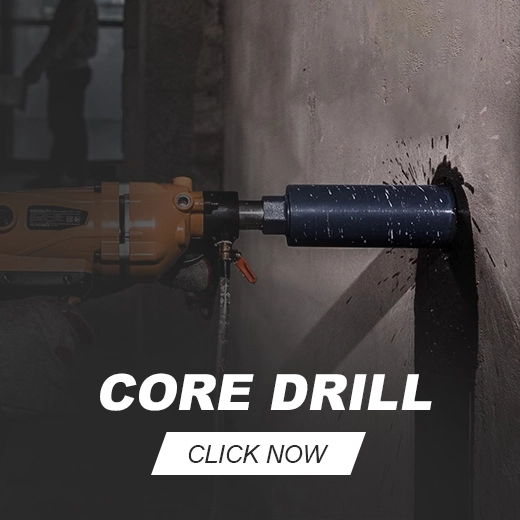
1. Drill Bit (Laser Welding/High-frequency Welding/Vacuum Brazing)
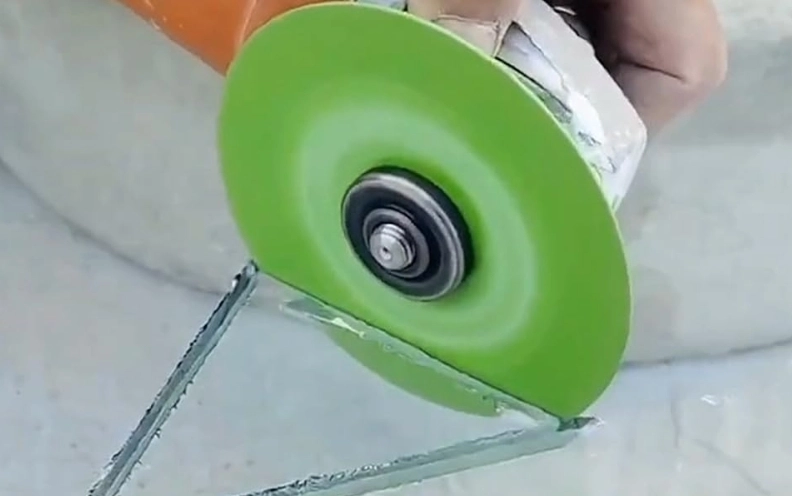
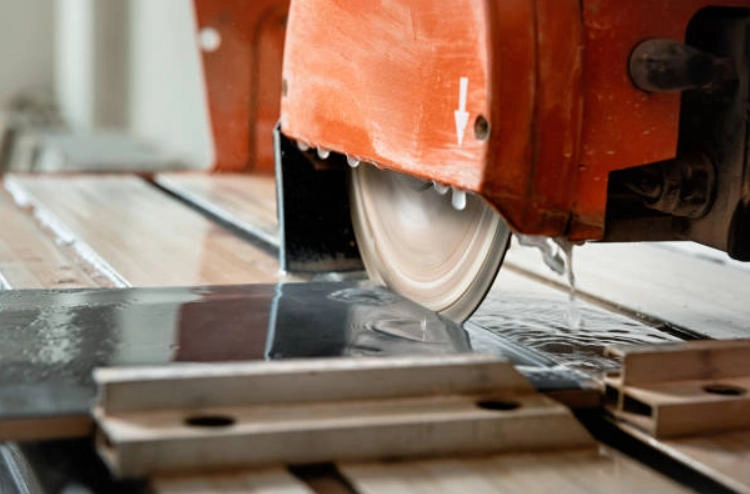
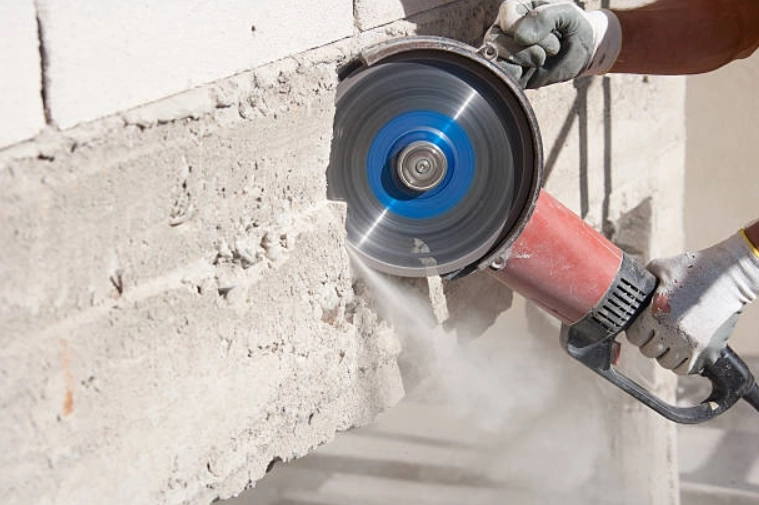
2. Cutting Disc (Laser Welding/Hot Pressing/Vacuum Brazing)
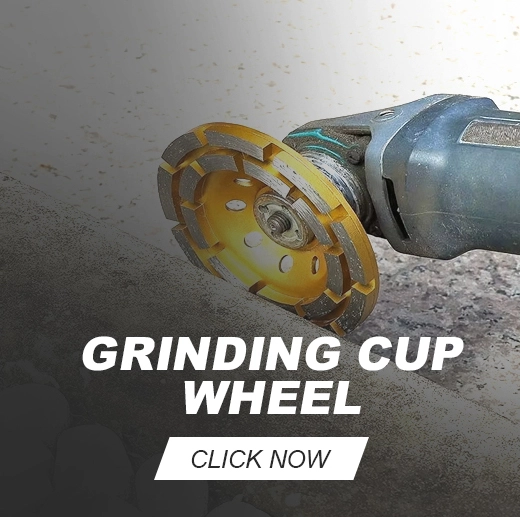
3. Grinding Wheel (Hot Press Sintering)
4. Related Machinery and Accessories (Hand Tools/Power Tools)
With 12+ years of precision engineering expertise in diamond tool manufacturing, SENMINE delivers custom OEM solutions tailored to your exact specifications – from prototype development to bulk production for global construction and stone processing industries.
999+
Product
200+
Team
186 +
Country
HOT PRODUCT
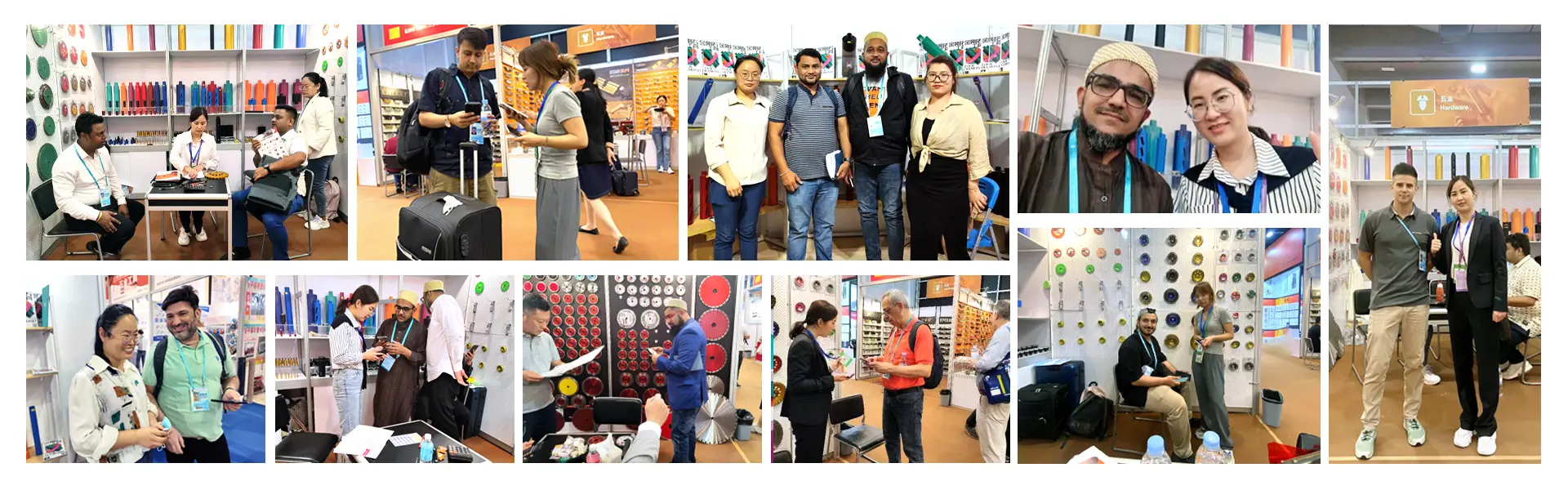
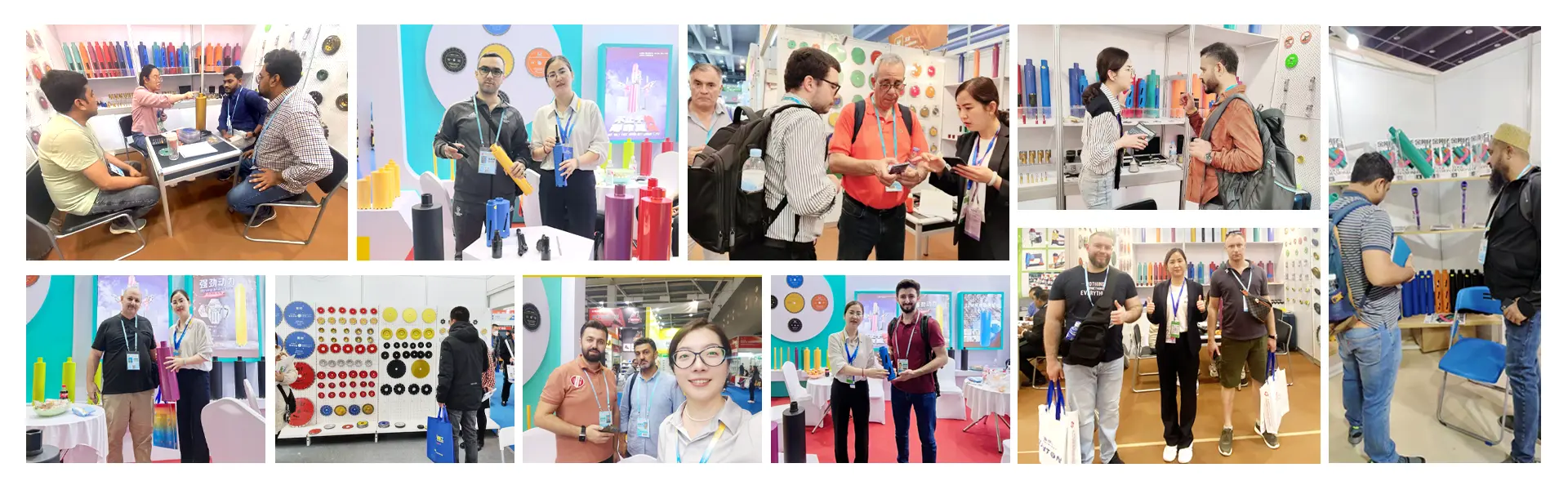
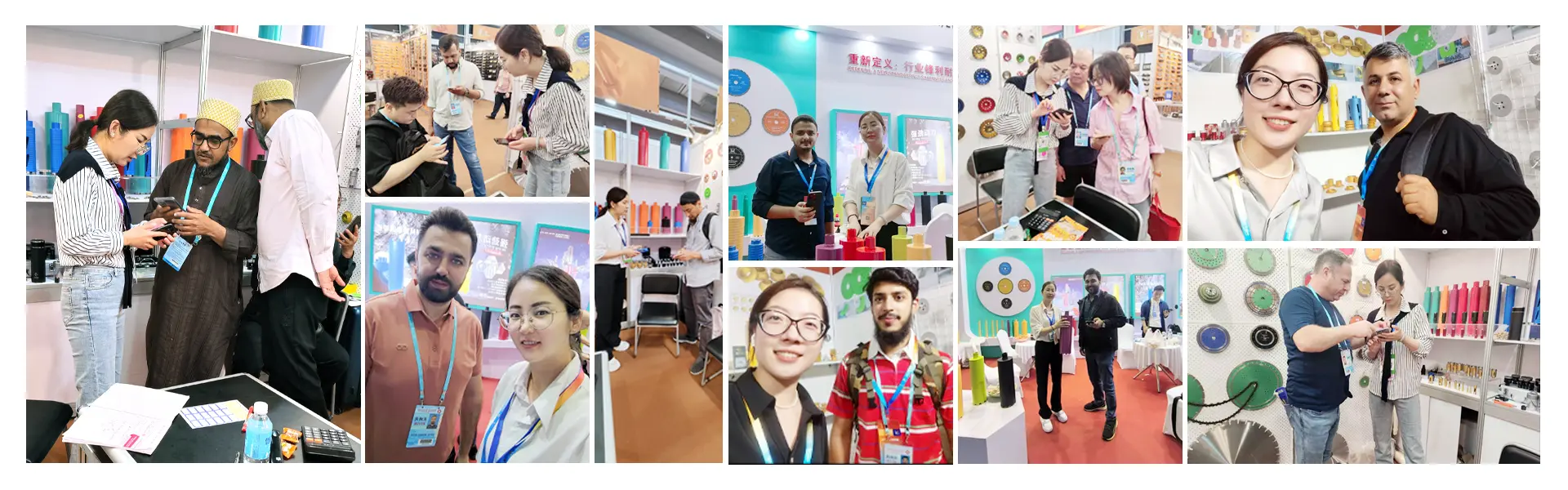
Exhibition