

CATEGORIES
SDS Core Bits
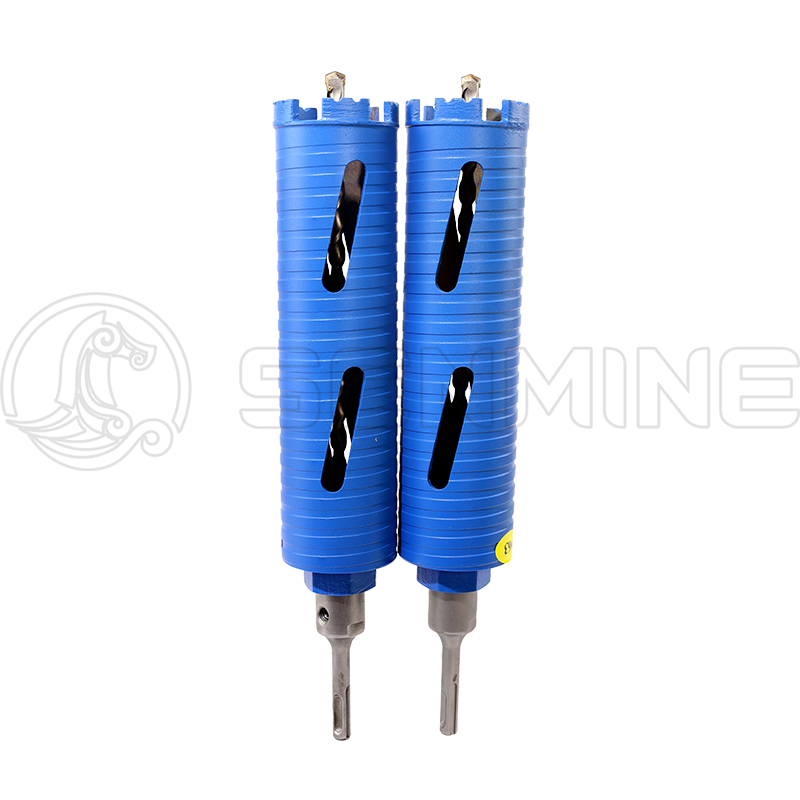
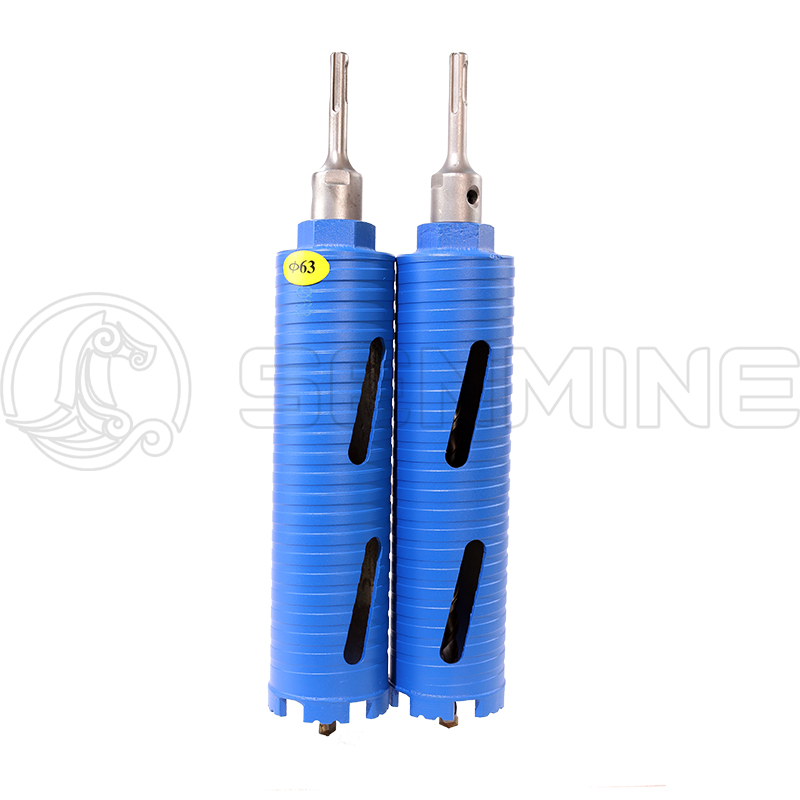
SDS Core Bits for Concrete, Brick and Masonry
SDS core bits are designed for drilling clean, accurate holes in concrete, brick, block, and other masonry materials when standard twist drill bits are no longer suitable. They are commonly used for electrical box openings, pipe passages, cable routes, ventilation holes, and general installation work where larger diameters are required. At SENMINE, this category includes SDS core drill bit options built for different drilling needs, including SDS Plus and SDS Max connections, pilot-bit configurations, and models suitable for demanding site conditions. Whether you are sourcing for distribution, project supply, or private label programs, choosing the right SDS core bit starts with matching the material, hole size, drilling depth, and shank system to the actual application.
SDS Plus vs SDS Max Core Bits
One of the most important buying decisions in this category is whether the required setup uses SDS Plus or SDS Max. Although both belong to the SDS shank system family, they are usually selected based on machine compatibility, drilling load, and hole size requirements.
SDS Plus core bits are generally selected for lighter-duty rotary hammer applications and common installation work where the machine is more compact and easier to handle. They are often used for routine electrical and mechanical tasks in brick, block, and lighter concrete drilling situations.
SDS Max core bits are usually chosen when users need stronger impact transmission, better stability under heavier load, or support for more demanding drilling work. They are better suited to larger openings, tougher materials, and more intensive professional use.
Diamond vs Carbide SDS Core Bits
SDS core bits are available in different cutting structures, and understanding the difference can make product selection much easier. Two of the most common options are diamond SDS core bits and carbide-tipped SDS core bits. Each is suited to different materials, working conditions, and drilling requirements.
Carbide SDS Core Bits
Carbide-tipped SDS core bits are often chosen for general masonry work where efficient drilling and practical everyday use are the main priorities. They are commonly used for brick, block, and similar materials in routine installation jobs. For buyers handling standard construction or renovation work, carbide options are often a practical choice for stable performance and straightforward application.
Diamond SDS Core Bits
Diamond SDS core bits are usually preferred when the drilling material is harder, more abrasive, or more demanding on the cutting edge. They are often selected for jobs that require smoother hole edges, stronger cutting performance, or more consistent results under tougher working conditions. For applications involving dense concrete or other hard materials, diamond options can offer a more suitable solution.
Choosing Between Diamond and Carbide
The best choice depends on the material being drilled, the drilling method, and the performance expected from the bit. Buyers working mainly with brick, block, or lighter masonry often focus on carbide-tipped models, while those dealing with harder surfaces or looking for improved cutting efficiency may prefer diamond core bits. If dry drilling is part of the jobsite requirement, it is also important to check which models are intended for dry-use conditions so the bit can be matched more accurately to the application.
How to Choose the Right SDS Core Bit
Choosing the right SDS core bit involves more than simply picking a diameter. To get better drilling results and avoid mismatched tools, it is important to look at the working material, machine compatibility, hole size, and the conditions on site before making a selection.
Material to Be Drilled
Start by identifying the material you need to drill. Concrete, brick, block, and other masonry materials do not all respond the same way during drilling. Some jobs require faster penetration in lighter wall materials, while others demand stronger cutting performance for denser surfaces. Selecting a bit that matches the actual base material helps improve drilling efficiency and reduces unnecessary wear.
Shank Type
The shank type must match the drill you are using. In this category, the most common options are SDS Plus and SDS Max. Smaller or more routine installation work may use SDS Plus, while heavier-duty drilling tasks often require SDS Max. Confirming machine compatibility first helps narrow the selection quickly and prevents problems during use.
Hole Diameter and Depth
The size of the required opening is another key factor. Some drilling tasks only need standard diameters for anchors, conduits, or electrical fittings, while others require larger holes for pipe installation, cable routing, or ventilation work. Checking both diameter and drilling depth in advance makes it easier to choose a bit that fits the intended application.
Pilot Bit or Centering Support
For more accurate starts, many users prefer a core bit with pilot bit or centering support. This type of setup helps position the bit more steadily at the beginning of drilling and can improve control when clean, repeatable openings are needed. It is especially useful in installation work where alignment matters.
Dry Drilling Conditions
Jobsite conditions also influence bit selection. In some cases, dry drilling is more practical because of the working environment, access limitations, or project requirements. For these situations, buyers often look for dry diamond core bit options that are better suited to this kind of application. Understanding the drilling method in advance helps ensure the bit is matched more effectively to real working conditions.
Common SDS Core Bit Configurations
This category includes several SDS core bit configurations designed for different drilling needs, machine types, and working environments. Understanding the difference between these options can help buyers narrow down the most suitable products more efficiently.
SDS Plus Core Bits
SDS Plus core bits are commonly selected for general installation work and routine masonry drilling. They are often used for applications such as electrical fittings, conduit openings, and light to medium-duty wall drilling where compatibility with SDS Plus rotary hammers is required. For buyers handling everyday drilling tasks in brick, block, or similar materials, this type is often a practical starting point.
SDS Max Core Bits
SDS Max core bits are generally chosen for heavier-duty work where stronger impact transmission and greater drilling stability are needed. They are more suitable for demanding applications, larger hole sizes, or tougher site conditions where standard lighter-duty setups may not be enough. Buyers working on more intensive drilling jobs often focus on this type for higher load capacity and broader application support.
Core Bits with Pilot Bit
Core bits with pilot bit are designed to provide better guidance at the start of drilling. This configuration helps improve positioning and can make hole starts more controlled, especially when more accurate placement is needed. For installers who value repeatability and cleaner starting performance, pilot-bit designs are often a preferred option.
Adapters and Related Accessories
Adapters and related accessories are important for buyers who need a more complete drilling setup rather than just a single core bit. Depending on the application, users may also require matching adapters, extension rods, pilot drills, or other supporting parts to improve compatibility and working flexibility. Including these related items on the page makes the category more useful for customers planning a full drilling solution.
OEM and Bulk Supply Support for SDS Core Bits
SENMINE supports bulk supply needs for SDS core bits with flexible options based on actual purchasing requirements. This may include customized packaging, private labeling, specification confirmation, and model matching for different drilling tasks. For distributors, importers, and project suppliers, this makes it easier to build a more suitable product range for local market demand or customer preferences.
FAQs
Q1. What is the difference between an SDS core bit and a standard masonry drill bit?
An SDS core bit is designed for making larger-diameter holes in concrete, brick, and masonry materials, while a standard masonry bit is usually used for smaller anchor or fixing holes.
Q2. Should I choose SDS Plus or SDS Max core bits?
That depends on your drilling machine, the material hardness, and the hole size required. SDS Plus is often used for lighter and more common installation work, while SDS Max is preferred for heavier-duty applications.
Q3. Are SDS core bits suitable for concrete?
Yes. Many SDS core bits are designed for concrete-related drilling tasks, but the best model depends on whether the job involves standard concrete, dense masonry, or harder drilling conditions.
Q4. Why do some SDS core bits include a pilot bit?
A pilot bit helps guide the start of the hole, improves positioning, and can make drilling more stable at the beginning of the operation.
Q5. Can I use SDS core bits for brick and block walls?
Yes. Brick and block are common applications for SDS core drill bits, especially in installation work such as conduit, switches, cables, and pipe access openings.