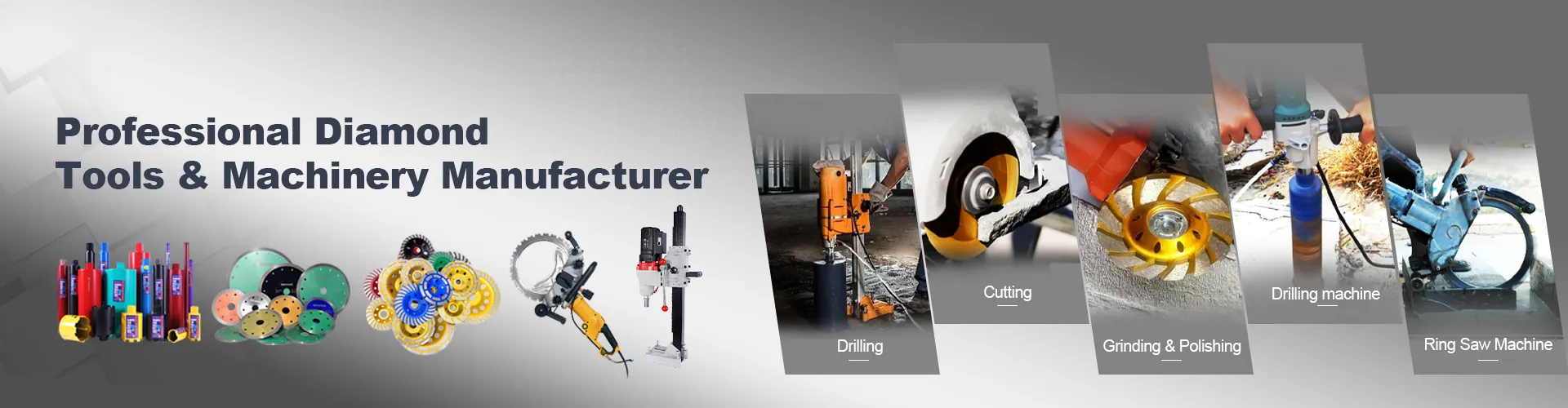
Diamond cup wheels are designed for grinding concrete, stone, granite, masonry, and other hard construction materials that require stable material removal and consistent surface correction. This range includes diamond grinding cup wheels in different segment styles, diameters, and bore options to suit varied grinding tasks and machine setups. Whether the application involves concrete surface preparation, stone edge correction, masonry cleanup, or general material shaping, the right wheel structure helps improve grinding efficiency and working stability. SENMINE supplies diamond cup wheels for routine purchasing, project demand, and OEM requirements across different market and application needs.
A concrete grinding cup wheel is widely used for leveling uneven surfaces, removing high spots, correcting edges, and preparing floors or wall areas before coating, repair, or finishing. For contractors, fabricators, and industrial users, a diamond cup wheel for concrete is a practical choice when dependable grinding performance is needed on cured concrete, precast parts, blocks, and similar hard materials. Segment structure plays an important role in grinding speed, surface roughness, and service life, so the most suitable option depends on the removal demand and the working condition. For routine concrete grinding, stable performance, durability, and machine compatibility are usually the main priorities.
A stone grinding cup wheel is suitable for natural stone processing, edge correction, surface shaping, and smoothing work where controlled grinding is important. For denser materials, a granite grinding cup wheel is often selected for stronger cutting performance and more reliable behavior on hard stone surfaces. Marble, granite, and other stone materials vary in hardness and finish requirements, so wheel selection should match both the material and the target result. In fabrication shops, installation work, and stone-processing applications, segment pattern, grinding aggressiveness, and wheel life are all important factors in choosing the right model.
Diamond grinding cup wheels are also used on brick, block, masonry surfaces, and wall preparation work where the goal is to clean up uneven areas, adjust edges, remove excess material, or prepare the surface for the next construction step. In these applications, the wheel needs to deliver practical grinding efficiency while still allowing steady handling and control. For mixed-use construction work, selecting the right segment structure helps improve productivity and supports more consistent grinding results across different base materials.
Turbo Diamond Cup Wheels
A turbo diamond cup wheel is often chosen for efficient grinding speed together with smoother grinding performance. Turbo-style segment layouts are commonly used in applications that require balanced material removal and better surface control on concrete, stone, and similar hard surfaces. This type is a practical option for users who want versatile grinding performance across different routine jobs. It is often used in situations where both working efficiency and a cleaner grinding result are important.
Double Row Diamond Cup Wheels
A double row diamond cup wheel is widely used for heavier grinding demand, stronger stock removal, and dependable performance in demanding concrete applications. This structure is commonly selected for surface preparation, leveling work, and other conditions where more aggressive grinding action is required. For many users, double row designs are a reliable general-purpose solution because they combine strong removal ability with stable operation and good service life. They are especially suitable for routine heavy-duty grinding on concrete and other hard construction materials.
Single Row and Plus Segment Options
Single row and plus-style segment designs are useful when more controlled grinding, lighter removal, or better maneuverability is required in smaller areas and edge work. These options are often selected for tasks that require more precision or a steadier operating feel during detail grinding. A single row diamond cup wheel is often chosen because the application demands a different working style, not simply because the wheel is lighter. Material type, removal demand, and finish expectations all influence which structure is the better choice.
V Shape, Double Groove, and Large Block Segments
V shape, double groove, and large block segment layouts are designed for more specific grinding requirements where segment structure directly affects grinding behavior. Some designs are suited to heavier material removal, while others support different contact characteristics, airflow, or working control during use. For professional users, segment style is an important part of product selection because it influences productivity, surface consistency, and suitability for the application. Choosing the correct structure helps match the tool more closely to the actual working condition.
Choose by Material
The first step in selecting a diamond cup wheel is identifying the main material to be ground, such as concrete, granite, marble, stone, brick, or general masonry. Different materials place different demands on the wheel, and the most suitable structure for hard granite may not be the most efficient choice for general masonry correction. Matching the wheel to the dominant application material usually improves grinding efficiency, surface consistency, and service life. This is especially important for users working across multiple material categories or sourcing for different end-use markets.
Choose by Grinding Aggressiveness and Surface Finish
Grinding requirements vary from one job to another. Some applications require fast stock removal for leveling, cleanup, or heavy correction, while others require more controlled grinding and a smoother surface condition. Choosing the right level of grinding aggressiveness helps avoid using an overly heavy structure for detail work or an overly light structure for demanding removal. The most suitable wheel depends on the actual working target at the surface level, including how much material needs to be removed and what finish is expected after grinding.
Choose by Machine Compatibility
Before ordering, wheel diameter, bore size, and machine fit should be confirmed to ensure safe and stable operation. A cup wheel for angle grinder use is common in the market, but the correct fit still depends on grinder size, arbor standard, speed range, and working conditions. This is especially important in bulk purchasing, where the same product may be supplied into different markets with different equipment preferences. Correct matching between wheel and machine helps support operating stability and reduces fitment issues after delivery.
4 Inch to 5 Inch Cup Wheels
Smaller sizes, such as a 4 inch diamond cup wheel or 5 inch diamond cup wheel, are commonly used for handheld grinder work, detail grinding, and applications where maneuverability matters. These sizes are practical for operators who need better control on smaller surfaces, edge sections, or routine site correction jobs. They are widely used in general grinding applications where handling, flexibility, and steady control are important during operation.
6 Inch to 9 Inch Cup Wheels
Larger cup wheels in 6 inch, 7 inch, and 9 inch sizes are generally more suitable for broader grinding coverage, higher removal demand, and larger working areas where productivity is more important. These sizes are often selected for heavier-duty jobs or applications where a wider grinding area helps improve operating efficiency. Diameter selection should still match both machine capability and the actual grinding requirement to achieve the right balance between performance and control.
Bore Sizes and Fit
Bore size is an important technical factor when selecting diamond grinding cup wheels. Arbor compatibility should be confirmed before purchase to ensure correct fit with the intended machine. Standard bore options may include 16 mm, 20 mm, and 22.23 mm, depending on the required size and configuration. Bore preference can also vary according to local market standards and machine platforms, so confirming this detail in advance helps support smoother ordering and installation.
Custom Segment and Size Options
For many bulk orders, diamond cup wheel sourcing involves more than choosing a standard catalog item. Purchasing requirements may include specific diameter combinations, segment style preferences, application-based matching, or market-oriented configurations that fit an existing product range. In these cases, custom segment structures and size combinations can be arranged according to project demand or distribution needs. This allows the supply program to match real working conditions more closely and supports better product positioning in different markets.
Private Label and Packaging Support
Private label and packaging support are often important for distributors, importers, and brand owners selling diamond cup wheels under their own product line. Depending on the order, requirements may include customized labels, branded packaging, or export-oriented packing formats for different sales channels. Packaging is not only a presentation detail; it also affects product positioning, logistics handling, and market readiness. Customized branding support helps align the product with channel requirements and commercial sales plans.
Supply Support for Distributors and Project Buyers
Distributors, contractors, project buyers, and industrial procurement teams usually evaluate more than unit cost when sourcing diamond cup wheels. Supply stability, product consistency, specification clarity, and application matching are all important in selecting the right manufacturer or supplier. This is especially relevant in diamond cup wheel sourcing because application conditions can vary significantly between concrete grinding, stone fabrication, and mixed-use construction work. A clear supply structure helps support more efficient purchasing, easier model selection, and smoother communication during quotation and order planning.
Q1. What is the difference between turbo and double row diamond cup wheels?
Turbo designs are often selected for efficient grinding speed together with smoother grinding performance, while double row designs are commonly preferred for more aggressive removal and heavier general grinding work. Turbo cup wheels are usually chosen when a balance between speed and surface control is needed. Double row cup wheels are more often used when the application requires stronger cutting action and higher material removal.
Q2. Which diamond cup wheel is better for concrete?
The best diamond cup wheel for concrete depends on the condition of the surface, the amount of material to be removed, the finish expectation, and the machine being used. For many routine concrete grinding jobs, double row and other more aggressive structures are widely used because they provide strong grinding performance and practical service life. Lighter correction work or smoother grinding requirements may call for a different wheel type.
Q3. Can diamond cup wheels be used on angle grinders?
Yes, many diamond cup wheels are designed for angle grinder use and are suitable for common grinding and surface preparation tasks on concrete, stone, and masonry materials. Wheel diameter, bore size, speed compatibility, and machine requirements should still be checked before use. Correct matching supports both safe operation and stable grinding performance.
Q4. How do I choose the right cup wheel size?
Cup wheel size should be selected according to machine compatibility, work area size, control requirements, and removal demand. Smaller sizes are often preferred for handling, detail grinding, and better maneuverability, while larger sizes are more suitable for broader-area grinding and heavier-duty applications. Diameter, arbor fit, and intended use should all be considered before final selection.
Q5. Are these cup wheels suitable for dry grinding and wet grinding?
Suitability for dry grinding or wet grinding depends on the specific wheel design, the material being processed, and the operating conditions of the job. The intended mode of use should be confirmed before purchase so the wheel can be matched correctly to the equipment, working environment, and performance requirement. Clear confirmation before ordering helps improve product selection accuracy.
Q6. Can SENMINE provide OEM diamond cup wheels?
Yes. SENMINE can support OEM diamond cup wheels according to order requirements, including segment style selection, size configuration, label design, packaging customization, and bulk supply arrangements. Confirming the target application, preferred sizes, machine fit, and packaging requirements at the quotation stage helps ensure a more accurate supply match.
For product selection, OEM requests, or bulk purchasing support, contact SENMINE with your required diamond cup wheel specifications and application details.


