

How Deep Should You Cut Concrete?
Cutting concrete may look straightforward, but it’s actually a highly technical and precision-based task. Despite using heavy-duty power tools, concrete cutting demands accuracy, timing, and a clear understanding of the material’s behavior. Several factors — from slab thickness and curing stage to ambient weather and tool selection — play a major role in determining how deep you should cut. Failing to consider these variables can lead to cracks, uneven cuts, or even structural compromise. Before you start, take the time to assess your job site, review environmental conditions, and ensure you’re using the right type of concrete saw and diamond blade for the job. Having a solid understanding of these details will help you achieve clean, safe, and efficient results.
Methods of Cutting Concrete
Concrete cutting can be performed in several ways, and choosing the right method makes all the difference in efficiency, blade longevity, and safety. The two most common techniques — wet cutting and dry cutting — each have distinct advantages depending on the project environment, available resources, and performance expectations. Understanding when and how to use each method helps ensure precision and prolongs your equipment’s lifespan.
Wet Cutting
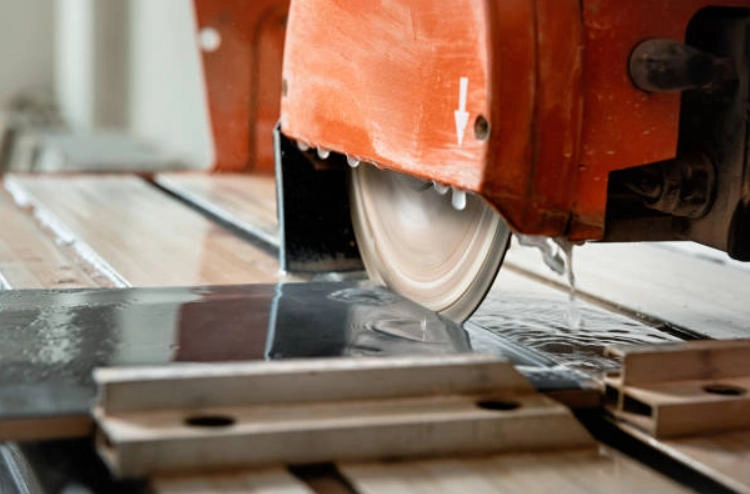
When concrete is cut, it generates silica dust, a fine particulate that poses serious health risks when inhaled. Prolonged exposure can lead to chronic respiratory illnesses and long-term lung damage. Wet cutting dramatically reduces this risk by using a continuous stream of water to suppress dust at its source — lowering airborne silica levels by up to 85–90%.
Beyond safety, water also acts as a natural coolant, minimizing friction and preventing your diamond blade from overheating or warping. The water cools down the tool more effectively, so there is also a smaller risk of overheating-related hazards. This process not only keeps the work area cleaner but also improves the blade’s cutting performance and overall service life. Wet cutting is typically preferred for large-scale concrete jobs, roadwork, and indoor areas where dust control is critical.
Dry Cutting
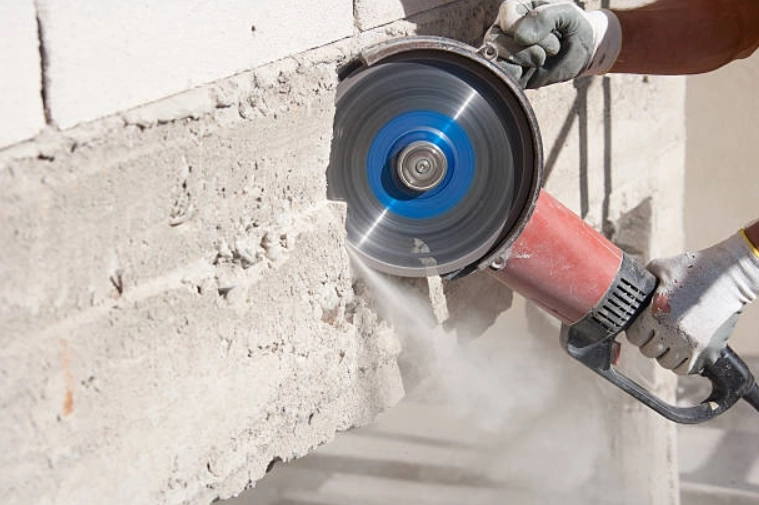
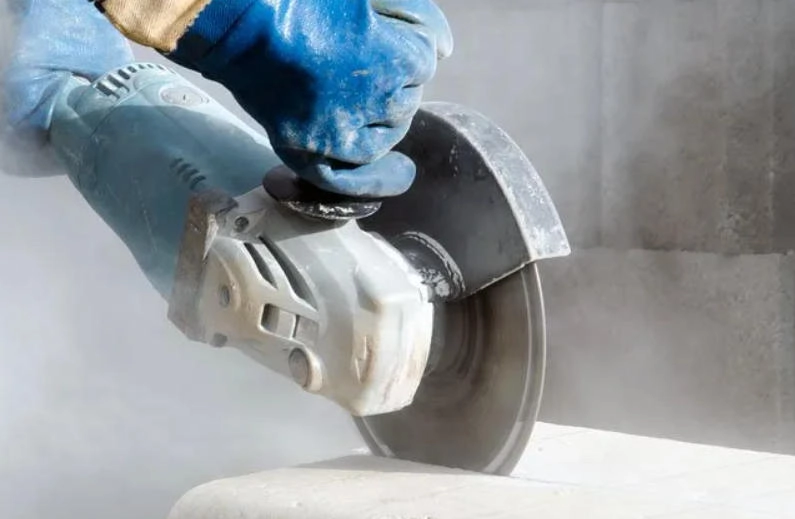
Dry cutting is ideal for locations where water is unavailable or where moisture could damage surrounding materials or electrical components. However, since dry cutting produces fine silica dust, strict safety measures are essential. Always wear approved PPE such as respirators, goggles, and hearing protection, and use a high-efficiency dust extraction vacuum to minimize exposure.
When dry cutting, it’s crucial to use a blade specifically engineered for dry applications, typically featuring segmented rims that allow air to circulate and cool the blade between cuts. Keep in mind that concrete diamond blades wear faster under dry conditions, so short, intermittent cuts are recommended to prevent overheating. Although dry cutting can be convenient for quick surface scoring or outdoor work, it requires careful control and attention to blade condition.
More read: Wet vs Dry Cutting: Does A Wet Blade Cut Better?
Cutting Concrete Depth
Determining how deep to cut concrete is not just a technical detail — it’s one of the most critical steps in achieving a strong, durable, and crack-free surface. As a general rule of thumb, expansion joints or control joints should be cut to a depth of one-quarter to one-third of the slab’s total thickness. This allows the joint to effectively control where shrinkage cracks occur as the concrete cures and contracts.
However, several variables influence the optimal cutting depth and timing. Concrete shrinkage occurs naturally during the curing process and is affected by factors such as temperature, humidity, wind, the water-to-cement ratio, and the concrete mix design. Cutting too early may result in ravelling — when the concrete surface tears or breaks unevenly — while cutting too late increases the risk of random cracking.
To minimize issues, it’s best to begin sawing as soon as the concrete has gained enough strength to prevent surface tearing, typically between 4 and 18 hours after pouring, depending on conditions.
• In hot or windy weather, concrete cures faster — so you may need to start cutting as early as 3–4 hours after finishing.
• In cooler temperatures, waiting 10–12 hours is usually sufficient.
• On large projects, consider performing trial cuts to determine the slab’s readiness before committing to full-depth cuts.
When making control joints, aim for predetermined spacing aligned with column lines or structural patterns. Consistent, square-cut grids help distribute stress evenly and prevent unsightly surface cracks. Avoid cutting too deep, as it can weaken aggregate interlocking and reduce the slab’s ability to bear heavy loads. On the other hand, cutting too shallow can make joints ineffective, causing random cracks to form instead.
Ultimately, timing and precision are everything. Professionals often use early-entry saws or soft-cut saws to achieve cleaner joints during the critical early curing window. By following best practices and monitoring site conditions closely, you can ensure your concrete performs as intended — both structurally and aesthetically.
Tools Required for Cutting Concrete
The success of any concrete cutting project depends heavily on the tools you use. Even with the right technique and timing, low-quality equipment can lead to uneven cuts, premature blade wear, and unnecessary downtime. Investing in high-performance concrete saws and diamond blades ensures cleaner results, faster operation, and improved safety across all job types — from small residential slabs to industrial-grade infrastructure work.
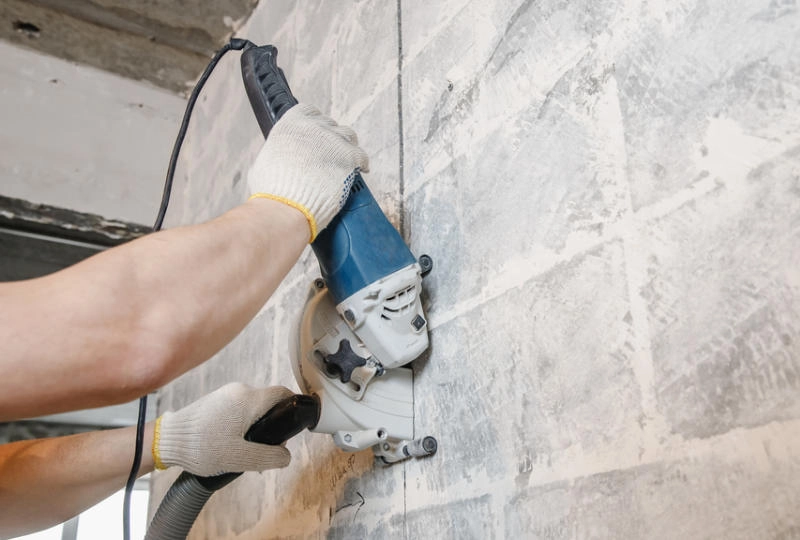
When selecting your cutting tools, consider the depth of cut, blade size, material hardness, and working conditions. For instance, handheld saws or cutoff machines are suitable for lighter work and smaller depths, while walk-behind floor saws are better suited for deeper or more precise cuts. Always ensure the blade’s diameter and segment type match the concrete’s density and aggregate composition.
Professional contractors also pay close attention to cooling and dust management. A wet saw system can drastically extend blade life and keep the work environment safer by reducing silica dust emissions. Meanwhile, dry cutting saws should always be used with appropriate dust extraction and PPE for compliance with modern health and safety standards.
At SENMINE, our range of concrete cutting saws is engineered to deliver precision, durability, and comfort for long-term industrial use. Each model is designed with operator safety and ease of use in mind, available in various weight categories and blade dimensions to suit diverse applications. Whether you’re making expansion joints, structural cuts, or general construction modifications, SENMINE saws help you achieve accurate, smooth results with minimal effort.
Conclusion: Getting the Right Cut Every Time
Concrete cutting is as much about skill and precision as it is about the right equipment. Understanding how deep to cut, when to cut, and which method to use — wet or dry — can make the difference between a durable, flawless finish and a cracked, weakened slab. From controlling silica dust to choosing the right diamond blade and concrete saw, every decision affects both performance and safety.
Whether you’re preparing control joints for a commercial foundation or trimming an existing slab for renovation, always consider site conditions, curing time, and load requirements. Using professional-grade equipment like SENMINE’s concrete cutting saws ensures your cuts are smooth, accurate, and long-lasting.
Ready to plan your next concrete cutting project? Reach out to SENMINE or Contact Us for expert guidance, tool recommendations, and OEM service support.
FAQ
1. How deep should I cut concrete control joints?
Typically, control joints should be cut to a depth of one-quarter to one-third of the slab’s total thickness. This depth helps control where cracks form as the concrete cures.
2. When is the best time to cut concrete after pouring?
Most experts recommend cutting between 6 to 18 hours after the pour. Hot weather may require cutting as early as 4 hours, while cooler conditions allow up to 12 hours.
3. Is wet cutting always better than dry cutting?
Wet cutting is generally safer because it reduces silica dust and keeps blades cool. However, dry cutting is useful for jobs where water isn’t available or moisture could cause issues.
4. What happens if I cut concrete too deep?
Cutting too deep can disrupt the aggregate interlocking, reducing the slab’s load-bearing strength. Shallow cuts, on the other hand, may cause random cracking.
5. What tools are best for cutting concrete?
Use a walk-behind concrete saw or cutoff saw equipped with a diamond blade designed for the type of concrete you’re cutting. Always ensure your equipment is high quality and properly maintained.
6. Where can I find reliable concrete saws and blades?
You can explore SENMINE’s full range of concrete cutting saws and blades — built for precision, durability, and industrial performance.