

Concrete Ring Saws FAQ: Common Problems and Real-World Solutions
Concrete ring saws are powerful tools for cutting deep openings in walls, slabs, and other reinforced structures. But in real jobs, users often run into very similar problems: slow cutting, wandering blades, heavy slurry, overheating, and uncertainty about safety or maintenance. At SENMINE, we see ring saw operators asking these questions on almost every project, especially when they first move up from a standard cut-off saw to a professional-grade concrete ring saw.
If you are not fully familiar with how this tool is built and why it cuts so deeply, it’s worth first understanding how concrete ring saws work and when you should use one, so the troubleshooting below makes more sense in context.
1. Why Is My Concrete Ring Saw Cutting So Slowly?
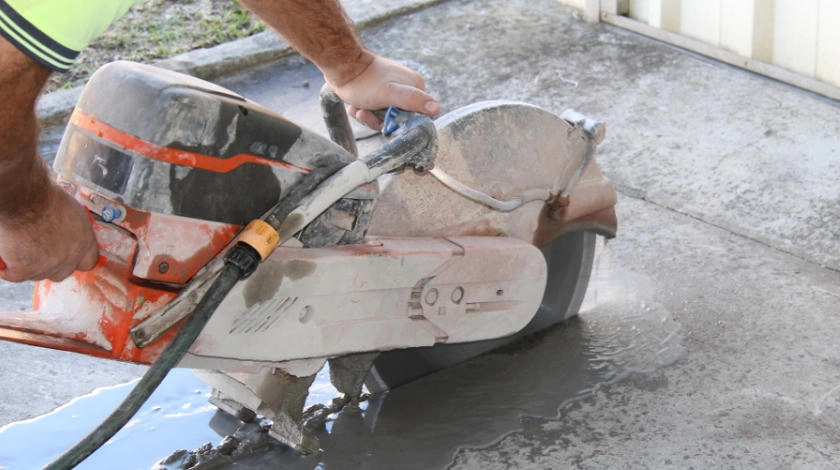
A concrete ring saw that cuts very slowly is usually a sign of mismatch between the blade and the material, or incorrect operating technique. If you are using a very hard-bond diamond ring saw blade on soft or abrasive concrete, the diamonds may not expose properly and the blade “glazes over”, reducing cutting speed. Too little feed pressure can have a similar effect, because the diamonds are not forced to break out of the bond. On the other hand, excessive pressure can overload the motor or hydraulic system and slow the tool down.
Before you start troubleshooting, make sure you are using a professional-grade concrete ring saw that is sized correctly for the maximum cutting depth you need on this project. In many cases, upgrading to a job-specific diamond ring saw blade designed for reinforced concrete is the fastest way to solve slow cutting and glazing issues. Check that the blade specification matches reinforced versus non-reinforced concrete, verify the recommended RPM and feed pressure from the manufacturer, and make sure you have adequate water flow to keep the cut cool and flush away slurry.
2. How Can I Get Straighter Cuts With A Concrete Ring Saw?
If the ring saw wants to wander or drift off the line, it usually comes down to how you start the cut and how you support the tool. Always score a shallow guideline first instead of plunging to full depth immediately; this “tracks” the blade and helps it follow the line. Keep both hands firmly on the saw, and use the side of the guard or a straight edge as a visual reference where possible.
A well-balanced concrete ring saw with the right guard design makes it easier to follow your layout lines and keep overcuts at door and window corners to an absolute minimum. A worn or uneven blade, loose flanges, or play in the arbor can also cause wandering, so check the blade for excessive wear or wobble before you start. Let the tool reach full speed before touching the concrete and avoid twisting the saw in the cut.
3. How Do I Deduce Chipping And Edge Spalling When Ring-sawing Concrete?
Chipping at the edge of the cut is common when cutting close to corners or on weak, old concrete. To reduce spalling, use a finer or “universal” diamond ring saw blade designed for cleaner edges, and make your first passes shallow instead of going full depth in one go. Supporting the opposite side of the cut (for example with lumber or a sacrificial board) can help hold the concrete together.
For cleaner edges and less spalling around door and window openings, consider using premium concrete ring saw blades with a finer segment design and optimized bond. Make sure your water supply is steady so the blade stays cool and the slurry carries away fine particles. Avoid prying with the saw or forcing the blade to change direction sharply at the very edge. If you notice severe cracking, rust stains, or large areas of spalling while cutting, it may indicate deeper structural issues like concrete cancer; in that case you should understand how to recognize and repair concrete cancer before you continue cutting.
4. How Do I Avoid Overcutting Corners When Creating Openings?
One of the reasons users choose a concrete ring saw is to minimize overcuts at door or window corners. To control this, mark your opening carefully on both sides of the wall and plan your cutting sequence before you start. Cut just up to the corner marks without over-running the line, then use a plunge cut from the other face to meet the first cut. Some contractors leave a small amount of material in the corners and break it out with a hammer and chisel rather than risk long overcuts.
A concrete ring saw is very good at plunge cutting, but technique matters. Practice plunge-cutting on scrap material first so you can control depth and direction confidently. Understanding how concrete ring saws work and when you should use one will also help you choose the right method for each opening instead of relying on guesswork.
5. Why Does The Engine Run But The Ring Saw Blade Doesn’t Spin?
If the power unit starts but the blade does not rotate, the problem is typically in the drive path rather than the motor itself. On petrol and electric concrete ring saws, a worn or broken drive belt, a damaged clutch, or a stripped drive wheel can all stop the blade from turning. On hydraulic ring saws, insufficient hydraulic flow or a faulty valve can prevent the motor from transmitting torque to the ring.
Always shut the tool down, isolate power, and inspect guards, drive belts, and couplings before restarting. If you hear the engine rev freely without load, do not keep running it—continuing to rev a disconnected drive system can cause further damage. To see how a dedicated power unit and concrete ring saw work together as a complete cutting system, it can be useful to review a ring saw machine with concrete ring saw designed for deep wall and slab openings.
6. What Should I Check If My Concrete Ring Saw Won’t Start?
When a ring saw refuses to start, first check the basics: fuel level and quality (for petrol saws), fresh mix ratio, choke position, and air filter condition. A clogged air filter or fouled spark plug is a frequent cause of hard starting. For electric or battery tools, confirm that power supply, extension cords, and batteries are in good condition and correctly connected. Hydraulic ring saws depend on the external power pack—verify that the pack is on, set to the correct flow and pressure, and that all quick couplers are fully engaged.
If a machine that normally starts easily becomes progressively harder to start, it may be time for professional servicing. For a deeper dive into setup, start-up checks, and operating technique, you can refer to a guide to electric ring saws that walks through the components, start-up sequence, and basic safety practices step by step.
7. Why Is My Ring Saw Blade Wobbling During The Cut?
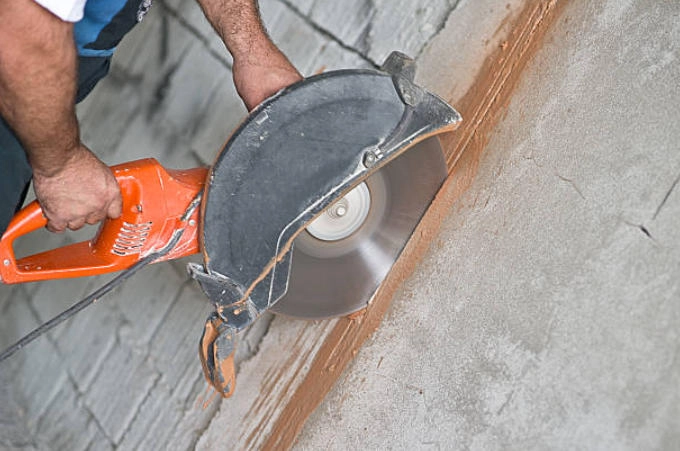
A wobbling blade is a serious warning sign. It can be caused by a bent blade core, uneven wear on one side, loose flanges, or contamination between the flange and the blade. Stop the saw immediately, let it come to a complete halt, and inspect the blade on a flat surface. If the core is visibly warped or cracked, the blade should be replaced, not straightened.
Clean the flanges and mounting surfaces, and tighten the fixing hardware to the manufacturer’s torque specification. Continuing to cut with a wobbling diamond ring saw blade can damage the tool and greatly increase kickback risk. A solid, well-maintained concrete ring saw and correctly mounted blade will track straighter, cut faster, and run smoother.
8. Why Is My Ring Saw Blade Overheating Or Turning Blue?
Discoloration and blue marks on the steel core usually mean the blade has been overheated. Most commonly, this happens when water flow is too low, the operator is forcing the blade with excessive pressure, or the blade bond is too soft for the material and is wearing away too quickly. Check that your water supply delivers a continuous flow directly into the cut, not just onto the guard.
If your current blade overheats or burns easily, switching to a heat-resistant diamond ring saw blade with the right bond hardness for your concrete mix can dramatically improve performance. Reduce feed pressure and let the diamonds do the work. If you routinely see overheating on a particular job, you may also want to look at a ring saw machine with concrete ring saw as a system, so the power unit, cooling, and blade are properly matched to high-demand cutting.
9. How Should I Deal With Concrete Slurry Buildup On The Saw?
Concrete slurry can harden like stone on your concrete ring saw if it’s not washed off promptly. After each use, while the slurry is still wet, rinse the tool thoroughly with clean water, staying away from air intakes, bearings, and electrical components. Use a stiff brush to remove paste from guards, blade covers, and the chassis.
For hydraulic hoses and couplings, wipe them clean rather than blasting them with high-pressure water. Allow the tool to dry before storage. Regular cleaning not only keeps the saw lighter and easier to handle, it also prevents cooling vents, water channels, and moving parts from becoming clogged.
10. Can I Use A Concrete Ring Saw For Dry Cutting?
Most concrete ring saws and ring saw blades are designed for wet cutting, and using them dry can quickly overheat the blade, create excessive silica dust, and damage the tool. If a manufacturer states that a particular model and blade are suitable for dry or semi-dry cutting, follow their duty-cycle recommendations strictly and use effective dust extraction.
Even then, dry cutting should be limited to short sections or situations where water is absolutely impossible, and all operators must wear appropriate respirators and eye protection. For continuous dry cutting, consider a saw and blade system specifically designed for that purpose instead of pushing a wet-only concrete ring saw beyond its limits.
11. How Do I Choose The Right Ring Saw Blade For Different Materials?
Choosing the correct diamond ring saw blade is critical for performance and blade life. For heavily reinforced concrete, select a blade with a tougher bond and segments designed to cut through steel as well as concrete. For plain concrete, block, or brick, a more abrasive-friendly bond will keep new diamonds exposed and maintain cutting speed.
Matching your saw with dedicated ring saw blades for reinforced concrete, block, and brick helps you keep cutting speed high while extending the life of each blade. If your projects involve very dense or heavily reinforced substrates, it’s worth looking at a Senmine ring saw machine as an all-rounder for cutting rugged materials, where you can see real-world examples of cutting thick, hard concrete and masonry.
12. Why Does My Diamond Ring Saw Blade Go Dull So Quickly?
A blade that seems to “go dull” after a short time is often not actually worn out, but “glazed”. This happens when the bond is too hard for the material or the operator pressure is too light, so the metal does not wear away to expose fresh diamonds. One common solution is to “dress” the blade by making a few cuts in a soft, abrasive material like a concrete block or sandstone.
High-quality diamond ring saw blades with a correctly tuned bond will self-sharpen in the cut, so they stay open and aggressive instead of glazing over after just a few meters. If glazing is a constant problem on a given job, switch to a softer-bond blade recommended for abrasive or green concrete, and confirm that you are cutting at the right speed and feed pressure—too low can be just as harmful as too high.
13. How Do I Safely Plunge Cut With A Concrete Ring Saw And Avoid Kickback?
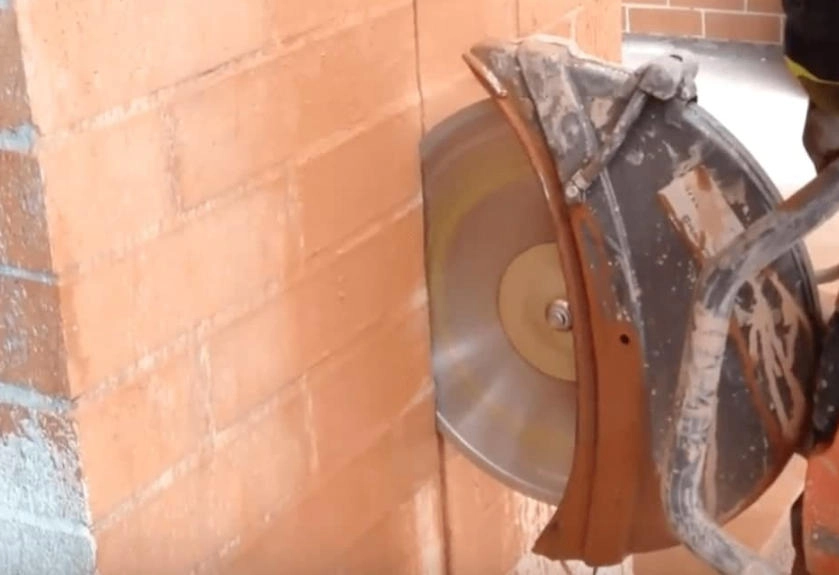
Plunge cutting (starting the cut in the middle of a slab or wall) is a major advantage of ring saws, but it must be done carefully. Hold the saw firmly with both hands, stand in a balanced stance, and start the plunge at a shallow angle rather than jamming the blade straight in. Let the blade reach full speed before easing it into the surface, and keep the body of the saw aligned with the cut direction so you’re not twisting the blade.
Never force the nose of the blade; instead, rock gently into the cut and extend it gradually. A stable concrete ring saw with good ergonomics will help you keep control as you plunge. Always be aware of what’s behind the concrete, including embedded services or rebar, so you don’t plunge into something you didn’t plan for.
14. How Can I Use A Concrete Ring Saw Safely In Tight Or Overhead Spaces?
Working in confined spaces or cutting overhead adds to the physical strain and safety risk. In tight areas, plan your cuts so you minimize awkward body positions and ensure you still have a clear escape path. Keep hoses and cords organized so they don’t snag as you move. For overhead or wall cuts, limit cut length at one time, take regular breaks, and never work directly beneath the cut line where debris might fall.
Compared with heavier cut-off saws, a modern electric concrete ring saw is often the better choice for tight spaces and overhead wall cutting because it is lighter, cleaner, and easier to control. If you often work indoors or in confined areas, it also makes sense to study the advantages of electric concrete ring saws, which compare them with petrol models in terms of weight, emissions, and operator comfort.
15. What PPE Do I Need When Using A Concrete Ring Saw?
At minimum, you should wear safety glasses or a full face shield, hearing protection, cut-resistant gloves, and steel-toe boots. When cutting concrete, silica dust is a serious health hazard, so use a properly rated respirator or dust mask even when cutting wet, and especially if there is any dry cutting involved.
For overhead or wall cutting, a construction helmet and high-visibility clothing add additional protection. In wet cutting situations, non-slip footwear and waterproof clothing help maintain footing and comfort. Good PPE is just as important as choosing the right concrete ring saw and ring saw blade for the job.
16. Can I Use A Petrol Concrete Ring Saw Indoors?
Petrol (gas) concrete ring saws produce exhaust gases including carbon monoxide and should not be used in enclosed or poorly ventilated spaces. For indoor work, choose an electric or hydraulic concrete ring saw and still provide as much ventilation as possible because slurry, vapour, and vibration are still present.
If indoor cutting must be done with fuel-powered equipment, it should only be under strict safety controls and local regulations, usually with remote power units or alternative tools. For many contractors, upgrading to an electric concrete ring saw is the simplest long-term solution for indoor or semi-indoor cutting.
17. What Daily Maintenance Does A Concrete Ring Saw Need?
After each shift, switch the saw off, disconnect power, and let it cool. Then inspect the blade for cracks, uneven wear, or missing segments. Clean the machine, removing slurry, concrete dust, and debris from guards, cooling vents, and water lines. Check the water supply fittings and hoses for leaks or blockages. For petrol tools, inspect air filters, fuel lines, and check for loose screws or damaged guards; for hydraulic tools, quickly scan hoses and couplers for damage or leaks.
A few minutes of daily maintenance can prevent breakdowns in the middle of a critical cut and extend the life of both your concrete ring saw and your diamond ring saw blades. For contractors who are just building their tool fleet, it also helps to understand how to choose the right hand-held concrete saw so maintenance and performance expectations are clear from day one.
18. How Should I Store My Concrete Ring Saw And Ring Saw Blades?
Store the saw in a dry, clean place away from corrosive materials and extreme temperatures. Coil hoses and cables neatly to avoid kinks or damage. Remove heavily worn blades and label them clearly, keeping usable blades stored flat or hanging according to the manufacturer’s recommendations so the cores do not warp.
Make sure the tool is fully dry before long-term storage to prevent rust on metal parts and deterioration of electrical components. When you bring the saw back into service after a long idle period, carry out a full inspection and test run before starting any serious cutting. If you are still deciding whether a ring saw is the best option or if another type of concrete saw would suit your work better, an ultimate guide to concrete saw types and selection can help you compare ring saws with cut-off saws, wall saws, and chain saws in one place.
Final note for contractors
If you regularly cut openings in reinforced concrete walls or slabs, investing in a durable concrete ring saw built for deep cuts and pairing it with the right diamond ring saw blades will quickly pay for itself in faster jobs and fewer breakdowns. Use this FAQ as a quick reference on site, and combine it with a broader guide to electric ring saws and concrete saw selection to build a more reliable, productive cutting setup for your team.