

How to Drill Through Reinforced Concrete | Tools & Tips Guide
Concrete drilling is already a demanding task—but when your drill meets rebar, the game changes entirely. Whether you’re a contractor, fabricator, or serious DIYer, learning how to drill through concrete with rebar safely and effectively can make or break your project.
From choosing the right bits to identifying embedded steel before you drill, this guide walks you through everything you need to know about drilling into reinforced concrete like a pro.
Why Drilling Through Rebar Is So Challenging
Rebar—short for reinforcing bar—is embedded steel used to strengthen concrete. It’s essential for structural integrity, but a nightmare for drill bits.
When you hit rebar during core drilling or standard hammer drilling, you risk:
• Bit damage or breakage (especially if using masonry bits)
• Drill binding or overheating
• Structural compromise if rebar is weakened or severed
• Costly delays from replacing tools or restarting holes
So, is it possible to drill through rebar? Yes—but only with the right prep and equipment.
Step-by-Step: How to Drill Through Concrete With Rebar Safely
Step 1 – Scan for Rebar Before You Drill
Before you start, locate any hidden rebar using one of the following tools:
| Tool Type | Best For |
|---|---|
| Rebar Scanner | Everyday use, shallow detection |
| GPR (Ground Penetrating Radar) | Complex/deep slabs |
| Magnetic Locator | Quick surface-level checking |
Mark detected rebar on the surface using chalk or tape. Skipping this step is one of the most common and costly errors.
Step 2 – Select the Right Drill Bit
Choose a bit designed to cut both concrete and steel:
| Material | Best Bit Type |
|---|---|
| Concrete only | Tungsten carbide-tipped masonry bit |
| Concrete + Rebar | Diamond core bit |
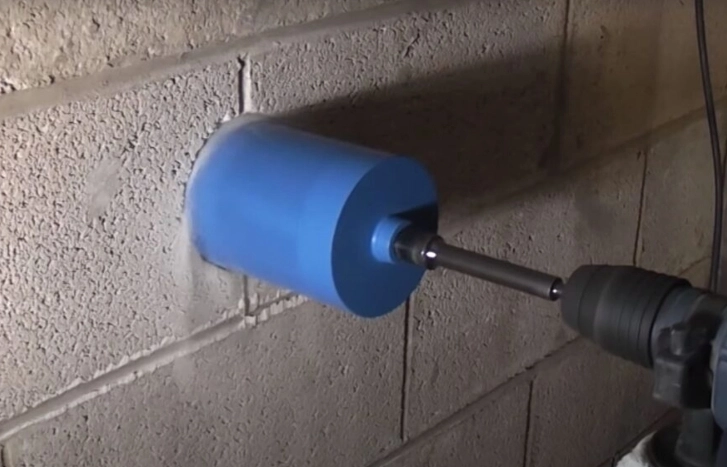
For professionals performing core drilling through rebar, diamond segments are non-negotiable. They withstand the impact of steel without cracking or dulling.
For a deeper understanding of how to select the best bit for your job, especially when dealing with reinforced concrete, check out our [How to Choose the Right Diamond Core Drill Bit].
Step 3 – Drill the Concrete Layer First
Begin drilling as usual through the top concrete layer:
• Use rotary mode with light pressure
• Start slow, especially at initial penetration
• Allow the bit to guide itself without forcing it
Once you feel resistance or hear a metallic ring, you’ve likely hit rebar.
When clean, centered holes matter—like when setting anchor bolts or routing pipe—core drills are known for their precision and efficiency, especially in reinforced substrates.
Step 4 – Slow Down & Penetrate the Rebar
When encountering rebar:
• Reduce speed to prevent overheating
• Let the diamond bit “grind” through steel
• Use water to cool the bit and flush debris
• Apply firm, steady pressure—no jerking or pushing
If using a segmented diamond bit, be mindful not to apply sideways torque, which can chip the segments.
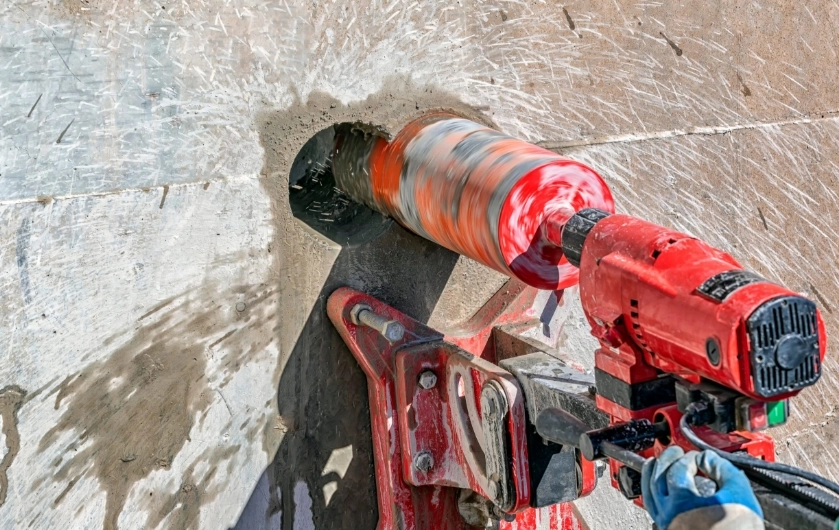
Step 5 – Clear Debris and Continue Drilling
Concrete dust and steel shavings build up quickly. Pause intermittently to:
• Flush the hole with water
• Use compressed air or vacuum
• Check drill temperature and debris volume
Keep cooling the bit and monitor hole depth until desired penetration is reached.
Tool Recommendations for Core Drilling With Rebar
| Tool | Purpose |
|---|---|
| Rotary Hammer Drill | For smaller holes and low rebar density |
| Diamond Core Drill | For clean, precise holes in reinforced concrete |
| Diamond Core Bits | Cuts through both concrete and steel |
| Rebar Detector Scanner | Identifies steel placement before drilling |
| Water Supply System | Cools bit and suppresses dust |
Different drilling applications call for different tools. From infrastructure upgrades to HVAC installations, exploring the key application scenarios of core drilling can help you match the right tools to your jobsite needs.
Common Challenges When Drilling Reinforced Concrete
• Bit Wear & Fracture
Using standard masonry bits on rebar can result in broken tips and wasted time.
Solution: Always use diamond-tipped bits for steel.
If you’re seeing early wear on your diamond core bit, this maintenance guide on sharpening and restoring diamond bits can help extend its service life and reduce costs.
• Drill Binding
Hitting rebar unexpectedly can seize the drill.
Solution: Keep a firm grip, reduce pressure, and slow down on contact.
• Misalignment
Rebar can deflect the bit, leading to offset holes.
Solution: Scan first, mark steel positions, and plan your angle.
FAQs About Rebar Drilling in Concrete
Q1: Can I drill through rebar with a regular hammer drill?
Only if you’re not hitting the steel. For rebar itself, a diamond core drill is recommended.
Q2: What happens if I hit rebar accidentally?
Stop immediately. Reassess with a scanner and either move the hole or switch to a steel-compatible bit.
Q3: Is it safe to drill through rebar in structural concrete?
Only if the rebar is non-load-bearing or approved by a structural engineer. Severing critical rebar can compromise integrity.
Q4: How do I know if I’ve hit rebar?
You may feel a sharp increase in resistance, hear a “metallic ping,” or see sparks in dry drilling.
Q5: Do I always need to cool the bit with water?
Yes, especially during long core drilling sessions. Water keeps the bit sharp, extends its life, and improves cut quality.
For a full breakdown of tools, safety, setup, and troubleshooting, don’t miss our comprehensive guide to core drilling essentials, designed for both contractors and advanced DIYers.
Conclusion – Drill Smart, Drill Safe
Drilling through concrete with rebar isn’t just about brute force—it’s about preparation, precision, and the right equipment. With the right scanner, bit, and cooling technique, even the toughest reinforced slab becomes manageable.
Whether you’re creating access for pipes, anchors, or wiring, avoiding costly mistakes like tool damage or structural compromise starts with smart technique. Plan your path, use professional-grade tools, and let your diamond bit do the work.