

How to Keep SDS Core Drill Bits Sharp: Wear Signs and Storage
When an SDS core bit chips after a few holes or slows down halfway through a project, most people blame “bad quality”. In reality, damage usually traces back to material mismatch, overloaded tools, and poor maintenance. This guide explains why bits fail early, how to read wear patterns, and how to clean, store, and maintain SDS core bits so they last.
Why Do New SDS Core Bits Break or Lose Teeth After Only a Few Holes?
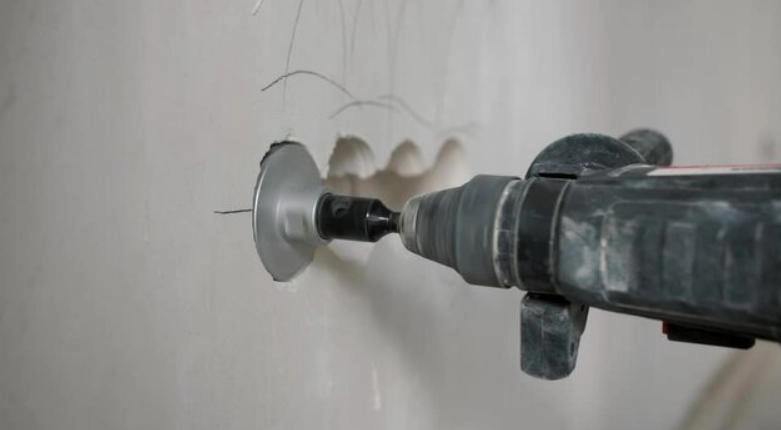
A brand-new core bit that fails after a handful of holes is frustrating and expensive. Before writing it off as a bad product, it’s worth looking at how it was used: the material, the hammer, the drilling mode, and whether rebar was involved. SDS core bits are designed for specific ranges of concrete strength, aggregate type and reinforcement levels. Pushing a light SDS-plus hammer with a large barrel into hard, reinforced concrete is a recipe for chipped teeth and cracked segments. Understanding these limits helps you separate true manufacturing faults from misuse and gives you leverage when you actually do have a defective batch.
Bit Type vs Material Mismatch
The fastest way to destroy an SDS core bit is to use the wrong type on the wrong material. A basic TCT (tungsten carbide tipped) core bit is fine for light concrete, blockwork and general masonry, but it is out of its depth in high-strength structural concrete with hard aggregate or dense natural stone. The carbide teeth end up hammering against material that is almost as hard as they are. They chip, micro-fracture and finally break off, often within just a few holes. The opposite mistake also happens: someone buys an economical dry-rated diamond barrel and runs it hard in very dense, steel-laden concrete, expecting it to behave like a rig-mounted wet diamond system. Segments overheat, the bond softens and whole pieces can strip off. Whenever a “new” bit dies young, ask first whether the bit’s spec sheet ever claimed it was suitable for the concrete class, stone type or tile hardness you actually encountered.
Overloading the Hammer: Tool Capacity vs Bit Diameter
Even when bit type and material match, the hammer itself can become the weak link. A compact SDS-plus drill is only designed to drive core bits up to a certain diameter and depth in concrete. Hanging a large, heavy barrel on a light hammer forces the clutch, gears and impact mechanism to work at their limits. Instead of crisp, effective blows, you get weak tapping and a lot of friction. The teeth are dragged across the surface instead of biting cleanly, so they wear unevenly and start to chip. The user then leans harder on the tool to compensate, which increases heat and vibration. Signs of overload include the hammer bogging down, a hot housing, a clutch that repeatedly slips and an unusually harsh sound. In these conditions, even a top-quality SDS core bit will seem “weak”. Matching bit diameter to tool capacity is essential if you want the bit to survive more than a few holes.
Wrong Drilling Mode, Speed or Feed Pressure
Drilling mode and technique play a big role in early failures. Many diamond core barrels intended for SDS systems are designed to run in rotation-only mode, with light pressure and moderate speed. Switching the hammer into full hammer-drilling mode with the same bit delivers repeated shock loads it was never meant to handle. Segments can crack at the solder line, braze joints may fail and thin walls can split. On the other side, running a TCT core bit at maximum speed with heavy down-force in hard concrete generates more heat than the teeth and bond can dissipate. You’ll often see the cutting edges turn blue or black, a classic sign of overheating. Once carbide has been overheated, it becomes brittle and prone to edge chipping. Good practice is to use the mode recommended by the bit manufacturer, let the bit cut rather than forcing it, and occasionally lift it to allow debris to clear and air or water to cool the cutting edge.
Rebar Strikes and Hidden Metal
Many “mystery” failures come down to hidden reinforcement. When a spinning core bit meets a piece of rebar or an embedded steel plate at full feed, the impact is brutal. TCT teeth can chip or snap off, diamond segments can lose chunks, and barrels may deform slightly at the rim. If this happens in a thick structural element containing a dense rebar grid, the bit may see several impacts within a single hole. Over a few holes, the cumulative damage can look worse than months of normal work. Using a cover meter or scanner before drilling in beams, columns and heavily loaded slabs is cheap insurance. If scanning shows unavoidable reinforcement, it may be wiser to shift the hole slightly, downsize and drill multiple smaller penetrations, or switch to a wet diamond rig or dedicated rebar cutter. Pretending the steel isn’t there simply transfers the problem into chipped teeth and broken segments.
Manufacturing Defects vs Misuse: How to Tell the Difference
True manufacturing defects do exist: poor brazing, misaligned segments, inconsistent carbide grades or barrels welded out of round. These faults often show up very early, even in gentle conditions. Typical signs include a tooth or segment coming off cleanly at the weld with no sign of heat or impact damage, obviously crooked segment rows, or a barrel that wobbles badly despite a straight arbor. Misuse leaves different fingerprints. Overheated teeth show blue, black or straw colouring; segments may be rounded, glazed and polished from friction. Chips are irregular and often concentrated on the leading edges that took the hardest hits. Barrels bent by side loading will show scuffing on one side and clean metal on the opposite side. When you suspect a bad batch, document everything: photos of the bit, the material drilled, the hammer model, drilling mode and number of holes. That makes it much easier to have a fair conversation with your supplier.
Is My SDS Core Bit Really Worn Out? Diagnosing Abnormal Wear
At some point, every SDS core bit slows down and starts to feel tired. The question is whether it has simply reached the end of its natural life, or whether something in your setup is causing premature wear. Reading wear patterns is a useful skill. It lets you decide when to retire a bit for safety, when to dress or resharpen it for more service, and when to look for root causes such as overly hard concrete, poor cooling or a misaligned arbor. A bit that is genuinely worn out looks very different from one that has been glazed or abused.
Normal Wear Patterns on TCT vs Diamond Core Bits
Normal wear on a TCT SDS core bit is gradual and predictable. Over many holes, the sharp edges of the carbide teeth round off. Small chips may appear along the cutting lip, but the overall tooth shape remains recognisable. The bit still cuts, just more slowly, and requires a little more pressure to maintain feed. Diamond core bits behave differently. On a sintered or metal-bonded barrel, the segment is a mix of metal and diamonds. As you drill, dull diamonds break or pull out and fresh ones are exposed. Over time, the segment height decreases, the surface becomes smoother and the diamonds become less prominent, but the segment usually remains intact and securely bonded. When a diamond bit is simply “used up”, segments are short, worn evenly and still well attached. In both cases, even wear across all teeth or segments, without cracks or missing pieces, is the sign of a bit that has simply done its job.
Early Warning Signs: Slower Penetration, Vibration and Discoloration
Before a bit reaches that natural end point, it usually sends signals. One of the first is a noticeable drop in penetration speed on familiar materials. If you need to lean harder on the hammer to keep things moving, or if holes suddenly take twice as long as last month, something has changed. Increased vibration is another warning. A bit with uneven wear, chipped teeth or a slightly bent barrel tends to chatter, making the hammer feel rough and noisy. Discoloration at the cutting edge is particularly important. Blue, straw or black tints on carbide indicate overheating; darkened, burnt-looking segments on diamond bits tell a similar story. These colour changes mean the bit has been run too hot, too long, with inadequate cooling or too much pressure. If you catch these signs early, you may be able to change your technique, dress the segments or resharpen carbide and regain some performance before irreversible damage sets in.
Simple On-Site Tests to Confirm Wear vs Other Problems
When a core bit starts misbehaving, it’s easy to assume the bit is the problem. A quick set of on-site checks can save you from throwing away good tools. First, swap to another bit of the same type on the same hammer and material. If the second bit cuts well, the first is probably worn or damaged. If both struggle, the concrete may be harder than you realised or your hammer may be underpowered. Next, try the suspect bit on a softer material such as common brick or block. If it still struggles, the cutting edge is likely dull or glazed. Also check the arbor and chuck. A bent arbor, dirty SDS shank or worn chuck can cause runout, making the bit wobble and cut poorly. Finally, spin the bit by hand while sighting along the barrel; any obvious wobble or “banana” shape points to mechanical damage rather than simple wear. These small tests help you make better decisions about repair or replacement.
Can TCT and Diamond Teeth Be Sharpened or Dressed?
Not every tired-looking SDS core bit has to go straight in the scrap bin. Under the right conditions, both TCT and diamond tools can be given a second life. The trick is understanding when resharpening or dressing is sensible and when it is throwing good money after bad. Small, inexpensive TCT core bits used for light work are normally regarded as consumables. The labour cost of careful resharpening can easily exceed the price of a new bit. Large-diameter or premium barrels, on the other hand, may justify extra attention. With diamond segments, performance can sometimes be restored simply by removing the glazed outer layer rather than attempting any invasive repair. Knowing which bits to rescue and which to retire helps you control costs while keeping performance high.
Resharpening TCT Teeth: When It Makes Sense
TCT teeth are made of tungsten carbide, a very hard, brittle material that needs proper grinding equipment and some skill to resharpen. For low-cost, small-diameter SDS core bits, especially those used heavily in rough conditions, professional grinding is rarely economical. By the time you pay a shop to grind each tooth to the correct angle and height, you could often have bought a new bit. However, for large-diameter or specialist TCT barrels that represent a bigger investment, resharpening can make sense. The key is to maintain the original tooth geometry so the bit cuts rather than rubs. Grinding must be even across all teeth to avoid imbalance and vibration, and care must be taken not to undercut brazed joints or thin the tooth base excessively. What you should avoid is “garage sharpening” with an angle grinder or file. Rough, uncontrolled grinding creates stress points and uneven edges that are more likely to chip or break than a factory-fresh tooth.
Dressing Diamond Segments: Restoring Cutting Action
Diamond segments sometimes stop cutting long before they are physically worn down. The surface becomes smooth, shiny and glazed because the metal bond has smeared over dull diamonds instead of releasing them, so new sharp grains can come through. In this case, dressing rather than replacing can bring a bit back to life. The usual method is to drill into a soft, abrasive material such as a dressing block, sandstone or a specially made dressing brick. This sacrificial material grinds off the glazed outer layer, exposing fresh diamond and roughening the segment surface. The key is to use light pressure and short runs, letting the abrasive do the work instead of forcing the bit. Dressing is most effective on sintered or metal-bonded diamond segments. It does not help much if an electroplated layer has already worn through or if segments are cracked or partly detached. In those cases, replacement is the only safe option.
When It’s Time to Retire the Bit Instead of Rescuing It
Some SDS core bits are simply finished, and trying to rescue them is a false economy. If diamond segments have worn down close to their base and you can see the weld line clearly, continuing to drill risks segment loss and barrel damage. If a barrel is visibly bent, cracked or has badly damaged threads, it is unsafe to run at speed under load. TCT bits with multiple missing teeth or deep fractures at the tooth roots are in the same category. Even if a skilled grinder could coax a little more life out of them, the risk of a catastrophic failure in the wall or overhead isn’t worth it. A simple rule is to weigh the cost of repair and the safety risk against the price of a new bit. When safety and labour costs together exceed the value you might get from “one more job”, it’s time to retire the bit and move on.
Cleaning SDS Core Bits After Use: Step-by-Step
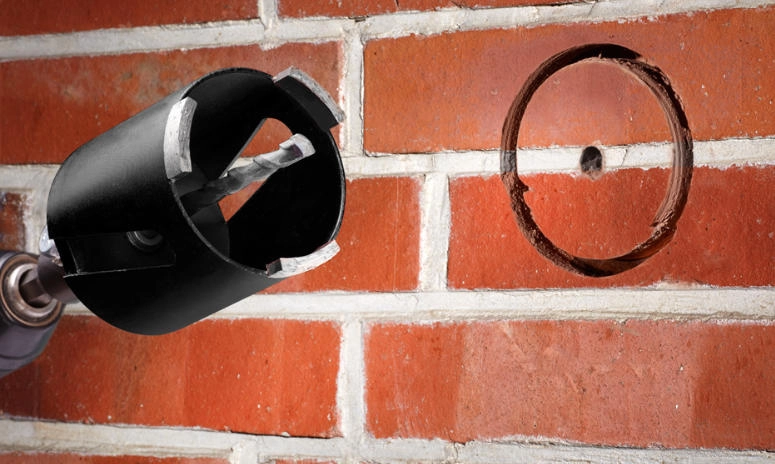
How you clean SDS core bits after drilling has a noticeable impact on their lifespan. Concrete slurry that dries on segments, dust packed inside barrels and rust on threads all shorten service life and make the next job harder. A simple cleaning routine doesn’t take long and prevents many small annoyances, from seized threads to sluggish cutting. Wet drilling leaves slurry that must be removed before it hardens; dry drilling produces fine dust that can become almost cement-like if it gets damp in storage. Treating both seriously is part of basic tool care, just like cleaning a hammer drill’s vents or changing filters on your vacuum.
Clearing Slurry, Dust and Embedded Debris
After wet drilling, the first priority is to remove slurry while it is still soft. Rinse the core barrel inside and out with clean water, paying particular attention to the area around the segments where grit and paste tend to build up. A stiff brush helps dislodge stubborn material without damaging the metal. Shake or blow out water from inside the barrel so it can dry quickly. For dry drilling, compressed air is your best friend. Blow dust out of the barrel, between the teeth or segments and around the arbor connection. A quick pass with a brush finishes the job. Leaving slurry or dust in place might seem harmless, but once it dries it can behave like an abrasive stone every time the bit spins up, accelerating wear. Worse, hardened lumps inside the barrel can trap moisture and start rust from the inside. Ten minutes of cleaning saves hours of frustration later.
Protecting Threads, Arbors and Shanks
Threads and shanks are often overlooked because they don’t do the cutting, but they carry all the power to the bit. If slurry or dust cakes into threads on the barrel or arbor, it can lock the two together or damage the threads next time you tighten them. After cleaning the barrel, take a small wire or nylon brush and run it around the threads and inside the female part. Wipe the SDS shank to remove grit, especially from the slots that engage the chuck. A light spray of anti-corrosion oil on threads, arbor surfaces and bare steel areas keeps rust at bay during storage. It doesn’t need to be heavy; a thin film is enough. If you transport bits assembled on their arbors, consider removing them for longer storage so threads aren’t under constant stress. Keeping these connection surfaces clean and protected ensures you can assemble and disassemble your setup without seized parts or damaged fittings.
What Not to Do: Aggressive Chemicals and Improvised Tools
In a rush to “get them clean”, it’s easy to reach for harsh chemicals or whatever tools are lying around. Strong acids or alkaline cleaners may strip rust and slurry quickly, but they can also attack brazed joints, weaken welds and damage protective coatings on the barrel. Solvents that are not intended for use on brazed or welded tools can creep into joints and undermine their strength. Likewise, hitting dried concrete off segments with a hammer or prying at it with a screwdriver risks chipping carbide or cracking diamond segments. Grinding dried residue away with an angle grinder is even worse; it removes parent metal and heats the area, potentially damaging the bond. A better approach is to soak stubborn deposits in water or a mild, tool-safe cleaner, then use plastic or brass brushes and scrapers to gradually remove them. The goal is to clean the bit without thinning metal, loosening joints or introducing new stress points.
Storage Practices That Extend SDS Core Bit Life
Once SDS core bits are clean, the way you store them determines how they look and perform next month. Leaving them damp in a plastic tub under the bench or loose in the back of a van invites rust, bent barrels and chipped segments. Good storage doesn’t have to be complicated: dry them fully, keep them separated so they don’t bang against each other, and protect threads and cutting edges. Simple racks, dividers or even DIY wooden slots make a big difference. Paying attention to humidity and the way tools are stacked can add years to the life of an expensive set.
Drying and Rust Prevention Before Storage
After cleaning, allow core bits to dry completely before putting them away. Standing water in the barrel or trapped under segments will start corrosion from the inside. If you’re short on time, blow them out with compressed air and leave them in a warm, dry spot for a while before storing. In humid climates, a light mist of rust-preventive oil on steel surfaces adds extra protection. You don’t need to drench the bit; too much oil just collects dust. Simply wipe a thin layer on with a rag. For long-term storage or seasonal work, wrapping barrels in oiled paper or adding desiccant packs to storage boxes helps keep moisture at bay. The main point is to avoid putting a damp, slightly dirty bit into a closed container and forgetting it until rust has had months to work.
Preventing Mechanical Damage in Vans and Jobsite Boxes
Many SDS core bits are ruined not by drilling but by transport. When multiple barrels, arbors and hammers live loose in the same toolbox or van compartment, they inevitably knock against each other on the road. Segments chip, threads deform and barrels pick up small bends that are only noticed when the bit wobbles at full speed. A simple rack inside the van, foam-lined box or even PVC tubes with caps for individual diameters can prevent most of this. Large-diameter bits benefit from protective caps on the cutting end to shield segments from impacts. Also avoid stacking heavy items on top of stored bits; a slow, constant load can bend a barrel over time. Thinking of core bits as precision tools rather than just “chunks of metal” encourages better handling, and that shows up as smoother drilling and longer life.
Labelling, Grouping and Tracking Wear
A tidy storage system also makes it easier to pick the right bit quickly and keep track of wear. Group bits by diameter, shank type and intended material—one section for masonry TCT, another for diamond barrels used in hard concrete or stone. Clear labelling on the barrel or a tag on the rack saves time on site. Marking bits as “new”, “used” or “end of life” helps prevent a worn-out tool being thrown into a demanding job without thought. For large, expensive bits, some contractors go further and keep a simple log of holes drilled or projects served. Even a rough record (“used on three tower jobs, mostly reinforced slabs”) gives context when deciding whether to resharpen, dress or retire a bit. Over time, this tracking also teaches you which brands and types deliver the lowest cost per hole in your real conditions.
Preventive Maintenance Routine: Simple Checklists
Preventive maintenance for SDS core bits doesn’t need to be elaborate. A short routine after each session and a slightly deeper check every week or month is enough to catch most problems before they become failures. The idea is to turn inspection and cleaning into a habit, just like checking oil in a vehicle. Looking over bits while they are still fresh in your mind from the day’s work helps you connect wear patterns with specific materials, drills and techniques, so you can adjust if needed. A bit of discipline here usually pays back in fewer broken tools and less downtime.
After Each Drilling Session
At the end of a drilling session, take a few minutes with each core bit you used. Rinse or blow off slurry and dust, then look closely at the cutting edge. Check for chipped teeth, missing segments, hairline cracks and signs of overheating such as discolouration. Spin the bit and watch for any wobble that might indicate a bent barrel or damaged arbor. Inspect threads for nicks or packed debris, and clean them if needed. Wipe the SDS shank so it goes back into the chuck clean next time. A quick spray of light oil on threads and bare steel protects against rust until the next job. This small routine also jogs your memory about any holes that felt unusually hard or slow, so you can note which bits are starting to slow down and plan replacements or dressing before they fail in the middle of important work.
Weekly / Monthly Checks for Heavy Users
For crews that core drill daily, a regular deeper check keeps the fleet in shape. Once a week or month, depending on use, lay out all the frequently used SDS core bits and compare them to a new or little-used reference bit of the same size. Differences in segment height, tooth sharpness and barrel straightness become obvious side by side. Check SDS shanks for wear marks or rounding that might cause slip or poor engagement in the chuck. Confirm that arbors and extensions are straight and that their threads mate cleanly with barrels without play. This is a good time to decide which bits are candidates for dressing or professional resharpening and which are approaching retirement. Keeping a simple list of which bits are in heavy rotation and how often they’re serviced helps forecast future purchases, so you’re not caught short on a job when a heavily used bit finally reaches the end.
FAQ: Damage, Wear and Maintenance
Even with good habits, certain questions come up again and again in workshops and on sites. They usually start with “why did this fail so fast?” or “can I still use this safely?”. Clear answers help crews make better calls and stop repeating the same mistakes. The following FAQs cover the most common doubts around early tooth loss, recognising true wear, home-made sharpening, dressing diamond segments, post-drilling cleaning and long-term storage. They can also be used as training material for new operators so everybody treats SDS core bits with the same level of care.
1. Why did my new SDS core bit lose teeth after just one use?
Most early failures are caused by mismatch and overload, not just bad quality. Common culprits are using a masonry-rated TCT bit in high-strength or reinforced concrete, hitting rebar at full feed, or driving a large barrel with a small SDS-plus hammer. Check the fracture: pale, clean breaks suggest a weld issue; blue heat marks, chipped edges and impact scars point to misuse or overly tough material.
2. How can I tell if my SDS core bit is truly worn out or just glazed?
A worn-out bit has short, rounded teeth or low, evenly worn diamond segments. A glazed bit still has plenty of height, but the cutting surface looks smooth and shiny, and the bit “skates” instead of biting. If light dressing or proper cooling quickly restores cutting speed, it was glazed. If penetration stays poor and wear is uneven or extreme, the bit is approaching the end of its life.
3. Can I sharpen a TCT SDS core bit myself at the workshop?
In theory you can, but it’s rarely worth it for small or mid-size bits. Tungsten carbide needs proper grinding wheels and accurate control of angles and tooth height. Freehand work with an angle grinder usually creates uneven teeth, vibration and new stress points. For large, expensive barrels, use a professional grinding service. For standard sizes, once they slow down despite correct use, replacement is normally the safer and cheaper option.
4. How do I dress a diamond SDS core bit that has become smooth and shiny?
Use a soft, abrasive material such as a dressing stone, sandstone block or soft concrete. Run the bit in rotation-only mode at moderate speed and drill a series of shallow cuts with light pressure. The abrasive scuffs off the glazed bond layer and exposes fresh diamond. Stop once the segment surface looks dull and gritty again. If performance doesn’t improve after dressing, the diamonds are likely spent and the bit should be replaced.
5. What’s the best way to clean SDS core bits after wet drilling in concrete?
Clean them immediately, before slurry hardens. Rinse the barrel inside and out with clean water, scrub around segments and inside the tube with a stiff brush, and flush any drainage holes. Shake or blow out excess water, then let the bit dry fully in a ventilated area. Once dry, apply a thin film of light oil to threads and bare steel. Avoid leaving bits overnight with dried slurry stuck to the segments.
6. How should I store SDS core bits to prevent rust and segment damage?
Store bits clean, dry and separated. After drying and a light oil wipe, place them on a rack or in a box with dividers so barrels and segments don’t knock together. Use caps or guards on large diameters to protect the cutting edge. Keep them in a reasonably dry space; in damp climates, add desiccant or rust-inhibiting paper. In vans, secure storage so bits can’t roll or have heavy tools dropped on them.
More read:
1. How to Choose the Right SDS Core Bit: Sizing & Compatibility Guide
2. How to Choose the Right SDS Core Bit: Material and Job Condition Guide
3. What Are The Differences Between SDS, SDS Plus, and SDS Max drills?